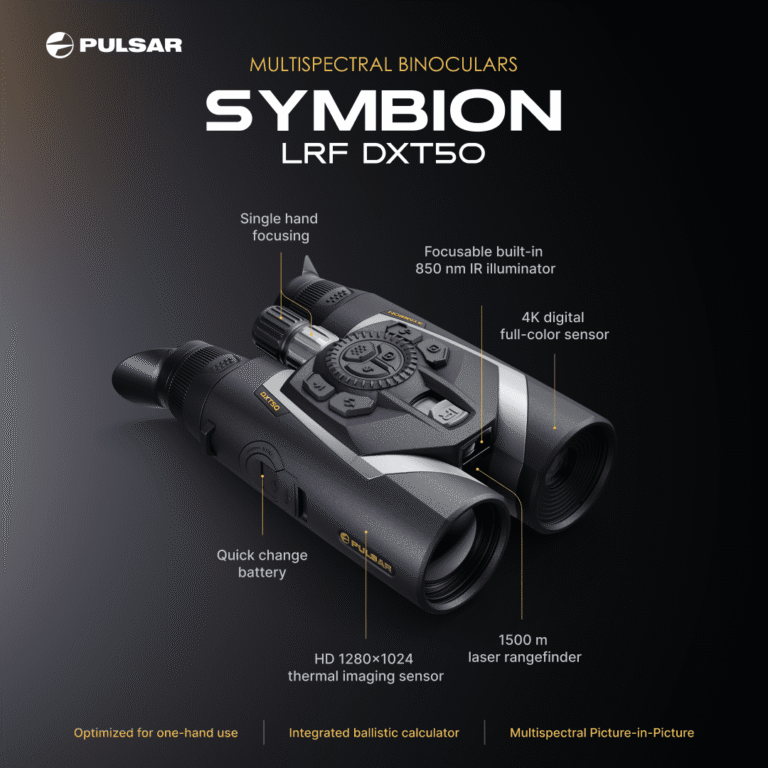
Did you know that travelling without binoculars can mean missing out on important things?
Summer is a great time for travelling and hiking, especially at home. There are plenty of different towers, viewing platforms and natural plateaus in Estonia, offering a beautiful panorama of the surrounding countryside. You've probably noticed some interesting objects in the distance on the viewing platform that you'd like to get a closer look at but don't have the necessary binoculars.
Two of the main reasons for not carrying binoculars when travelling are quite real - aeither you don't have binoculars, or they're too big and heavy to pack in your suitcase.
How much can binoculars help?
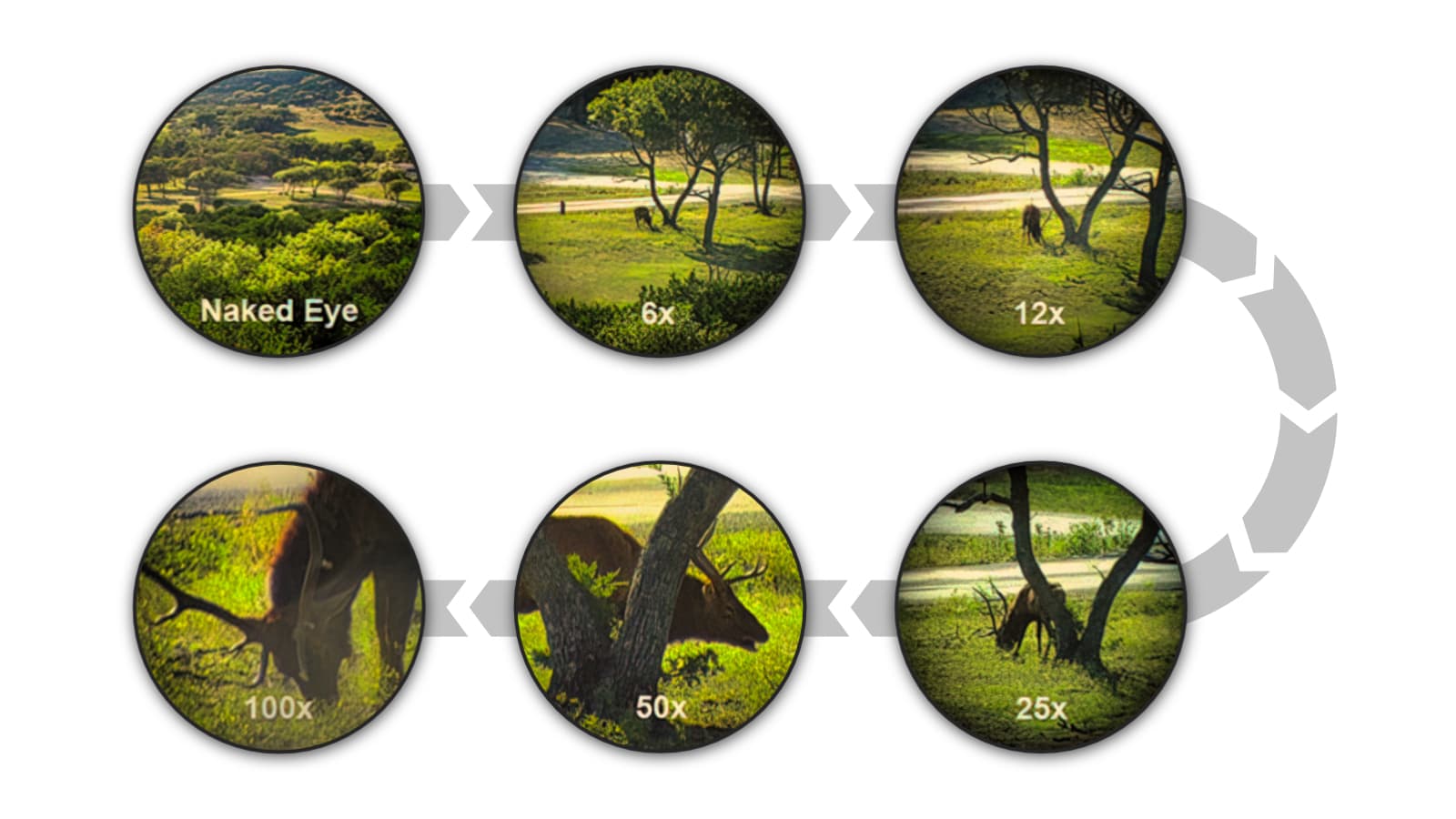
The comparison below gives an idea of how much “closer” binoculars can bring objects under observation. Even 6x magnification alone gives a noticeable advantage over the naked eye.
A cheap and lightweight travel binocular?
If you want to get through your trip with as little equipment as possible, it makes the most sense to take a smaller and lighter binocular. Smaller travel binoculars fit neatly in your pocket or handbag. For example, the Yukon Sideview series binoculars are just the size of your palm.
[ux_products type=”masonry” width=”full-width” col_spacing=”large” columns=”2″ show_rating=”0″ show_add_to_cart=”0″ show_quick_view=”0″ ids=”4651,4656″]
A good binocular for easier nature observation?
In the case of wildlife observation, a lot depends on whether you are looking at animals/birds or just natural phenomena. The advantage of high-magnification binoculars is that they bring distant objects very close, but the disadvantage is that they are heavier and have a smaller field of view. High magnification binoculars also make it more difficult to keep the object in the field of view. If you need more than 10x magnification, it is worth considering tripod-mounted binoculars or binoculars with a long focal length to make them easier to use.
If you want to observe nature at twilight, you should choose binoculars with the largest front lens possible, as they let in much more light. As a rule, the smaller the lens, the less light it lets through. However, the disadvantage of a larger lens is that the binoculars are also larger and heavier.
The ideal binocular magnification and lens for a nature observer would be, for example, 8×40 or 10×50.
[ux_products type=”masonry” width=”full-width” col_spacing=”large” columns=”2″ show_rating=”0″ show_add_to_cart=”0″ show_quick_view=”0″ ids=”4659, 4687″]
Binoculars for the more demanding user?
In cases where a standard binocular is not sufficient and significant gain or higher light transmission or other features are important, a somewhat more expensive binocular should be chosen.
[ux_products type=”masonry” width=”full-width” col_spacing=”large” columns=”2″ show_rating=”0″ show_add_to_cart=”0″ show_quick_view=”0″ ids=”4690, 4729″]
Summary
There is no one ideal binocular that is perfectly suited to all situations, but there is a binocular that may be suitable for a particular type of use - for example, a tourist trip or a nature observation or professional activity. In our shop you will find binoculars for every purpose. Hopefully the above was helpful in finding your first or additional binocular.