

Huvitavat, Küsimused ja vastused
Mille alusel valida öövaatlusseadet?
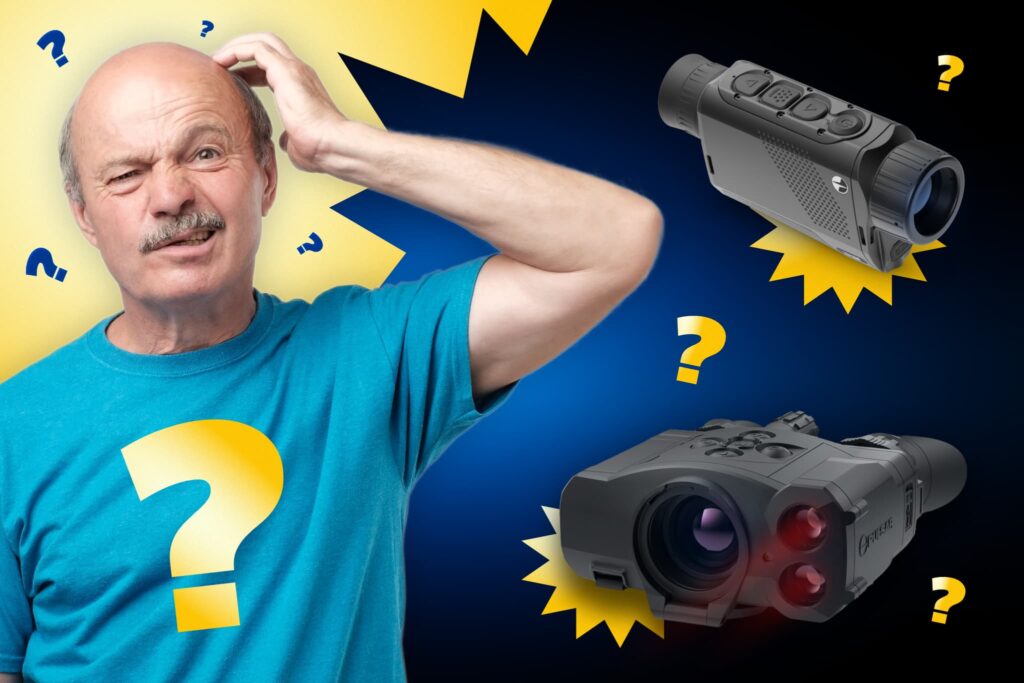
Kuna öövaatlusseadmete lai valik võib võtta silme eest kirjuks, siis püüame anda mõned olulised kriteeriumid, mille alusel valida endale sobivaim.
Tänaseks on kasvanud öövaatlusseadmete valik päris laiaks. Valida on nii erinevate tootjate kui suure hulga eri mudelite vahel. Eriti keeruline võib valiku tegemine olla neil, kes soetavad oma esimest öönägemisseadet ja märkimisväärne varasem kasutuskogemus puudub.
Öönägemisseade vs termokaamera
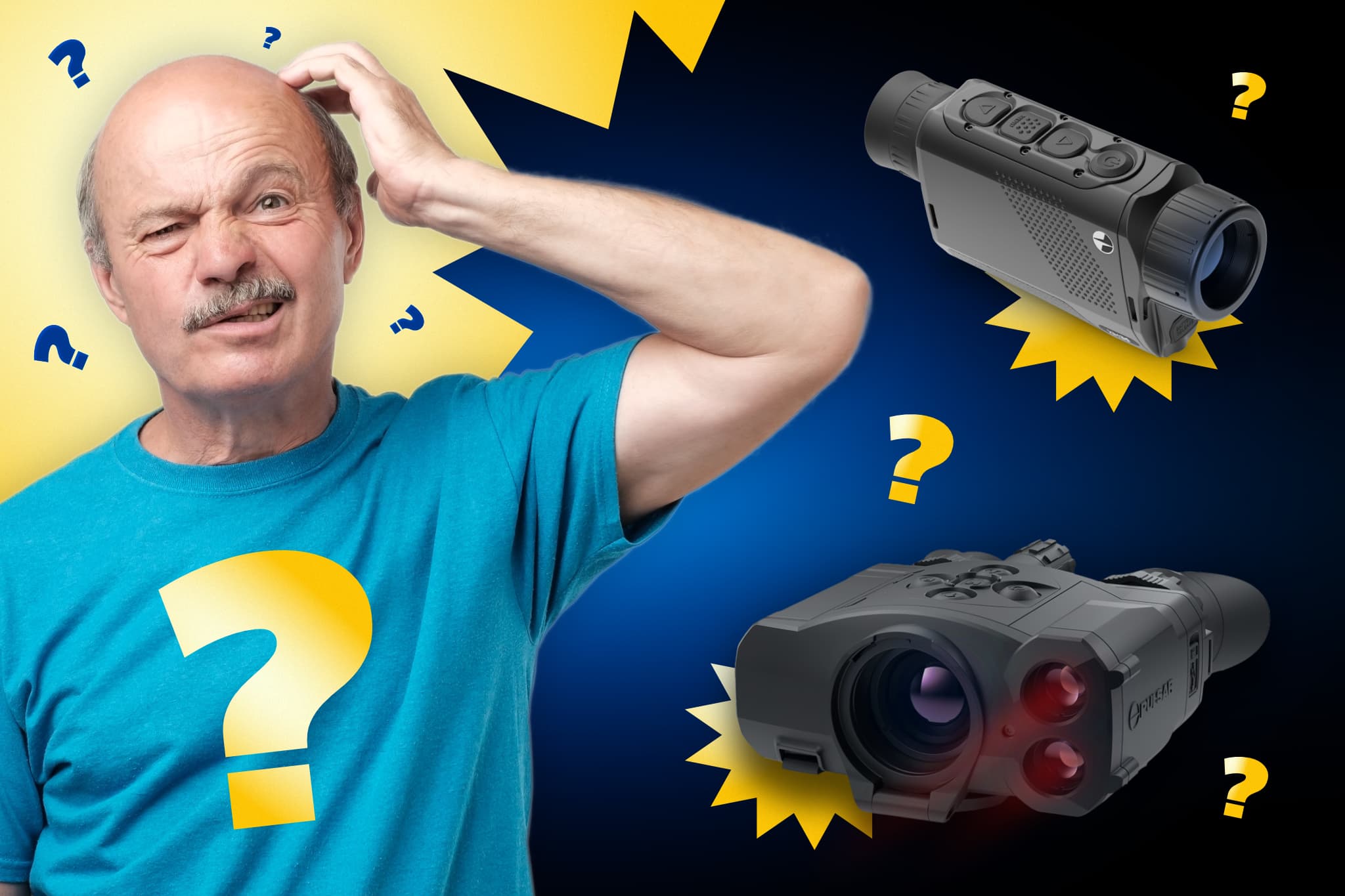
Üldistavalt peetakse öövaatlusseadmete all silmas nii klassikalisi öönägemisseadmeid kui termokaameraid.
Esimese asjana tuleks eristada teineteisest öövaatlusseade ja termokaamera. Mõlemad võimaldavad öist vaatlust aga toimivad märkimisväärselt erinevalt. Klassikalised öövaatlusseadmed on enamasti soodsama hinnaga kui termokaamerad.
| Omadus | Öövaatlusseade | Termokaamera | |
|---|---|---|---|
| I põlvkond | II+ põlvkond | ||
| Ere valgusallikas rikub seadme | Jah | Ei | Ei |
| Saab kasutada päeval | Ei | Ei | Jah |
| Eristab objekte temperatuuri alusel | Ei | Ei | Jah |
| Hinnaklass € | 125-650 | 350-3000 | 900-5000 |
Video: öönägemisseade vs termokaamera
Alltoodud videos lihtsalt ja inimlikult lahti seletatud, mille poolest erinevad öönägemisseadmed termokaameratest.
Öönägemisseadmed
Öönägemisseadmeid kasutati esimest korda teises maailmasõjas ja laialdasemalt hakati neid kasutama Vietnami sõja ajal. Öönägemisseadmed võimendavad objektilt peegeldunud valgust, mille nähtav valgus on lainepikkusega 380-700nm ja lähiinfrapunakiirgus lainepikkusega 700–1300nm.
Öönägemisseadmega saadud pilt on monokromaatiline, tavaliselt rohelistes toonides, sest inimese silm eristab rohelise värvi toone kõige paremini.
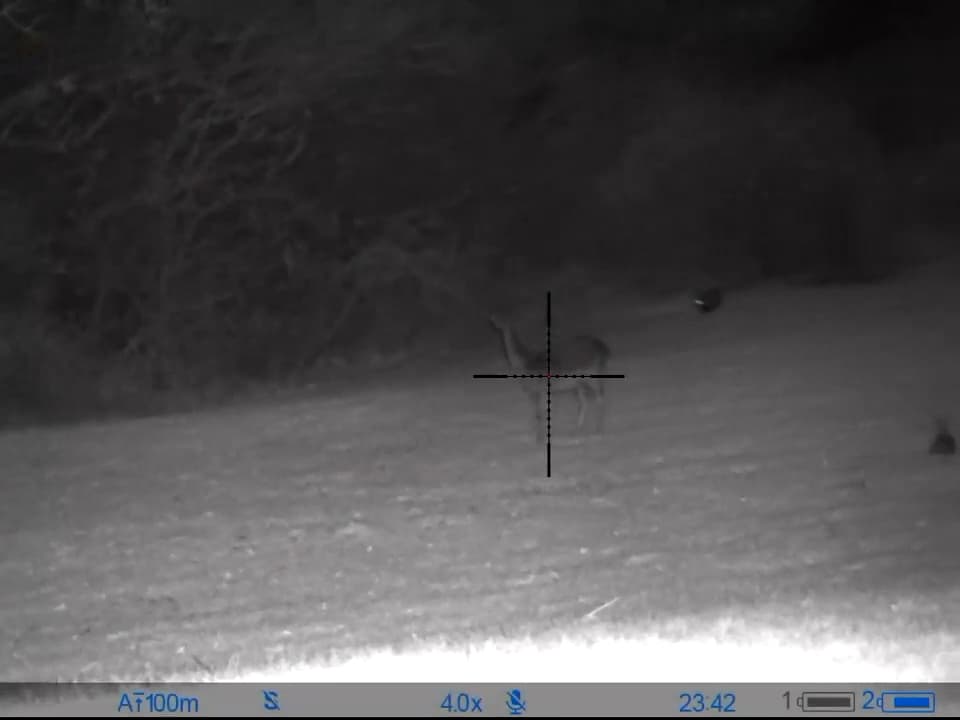
Öönägemisseadmed võivad olla nii aktiivsed kui passiivsed. Aktiivses seadmes kasutatakse infrapunavalgusallikat, mille valgus peegeldub objektidelt tagasi. Passiivseetel seadmetel puudub infrapunavalgusallikas ja need võimendavad juba olemasolevat valgust. Uuema põlvkonna öövaatlusseadmetes on kasutuses fotokordisti, mis annab palju erksama pildi.
Esimese põlvkonna tehnoloogial põhinevad öönägemisseadmed on suhteliselt odavad, ent nende suurimaks puuduseks on väike nägemiskaugus ja madal veakindlus. Esimese põlvkonna öönägemisseadmed on tundlikud erksa valguse suhtes ning nende kasutamine päeval või vastu eredat valgusallikat võib need rivist välja viia.
Termokaamerad
Termokaamerad on passiivsed seadmed, nendes puudub infrapunavalgusallikas ja need eristavad infrapunakiirgust vahemikus 3000–30000 nm. Toimimispõhimõttelt on termokaamera nagu tavaline infrapuna termomeeter, ent selle vahega, et kaameral on ühe anduri asemel andurite maatriks ehk termosensor. Mida rohkem elemente on maatriksi (sensori) pindala kohta, seda suurema teravusega on pilt. Termokaameratel saab reeglina valida erinevate pildi värviprofiilide vahel (vt alltoodud videost).
Erinevalt öönägemisseadmest saab termokaamerat kasutada ka päevasel ajal. Näiteks võimaldab termokaamera päevavalguses hõlpsasti eristada sellist looma muust ümbritsevast keskkonnast, kes on inimsilma jaoks maastikuga kokku sulandunud.
Alltoodud videost saab hea ülevaate termokaamerate üldiste omaduste kohta Pulsar Helion XP näitel.
Objektiiv vs sensor
Termokaamera pildi kvaliteet sõltub kõige enam kolmest elemendist – objektiivist, sensorist ja pildiotsikust. Objektiivi kvaliteedist ja valgusläbilaskevõimest sõltub omakorda sensori efektiivsus. Mida vähem tekib klaasi omapärast johtuvaid moondusi objektiivis, seda teravam ja selgem pilt jõuab sensorile. Sensori suurus ja müratase mõjutavad omakorda saadava pildi kvaliteeti. Termokaamerad on kas madala resolutsiooniga (160×120 või 60×60, 80×80), keskmise resolutsiooniga (320×240) või kõrge resolutsiooniga (640×480, 1024×768). Mida suurem sensor ja madalam müratase, seda teravam ja selgem on kujutis.
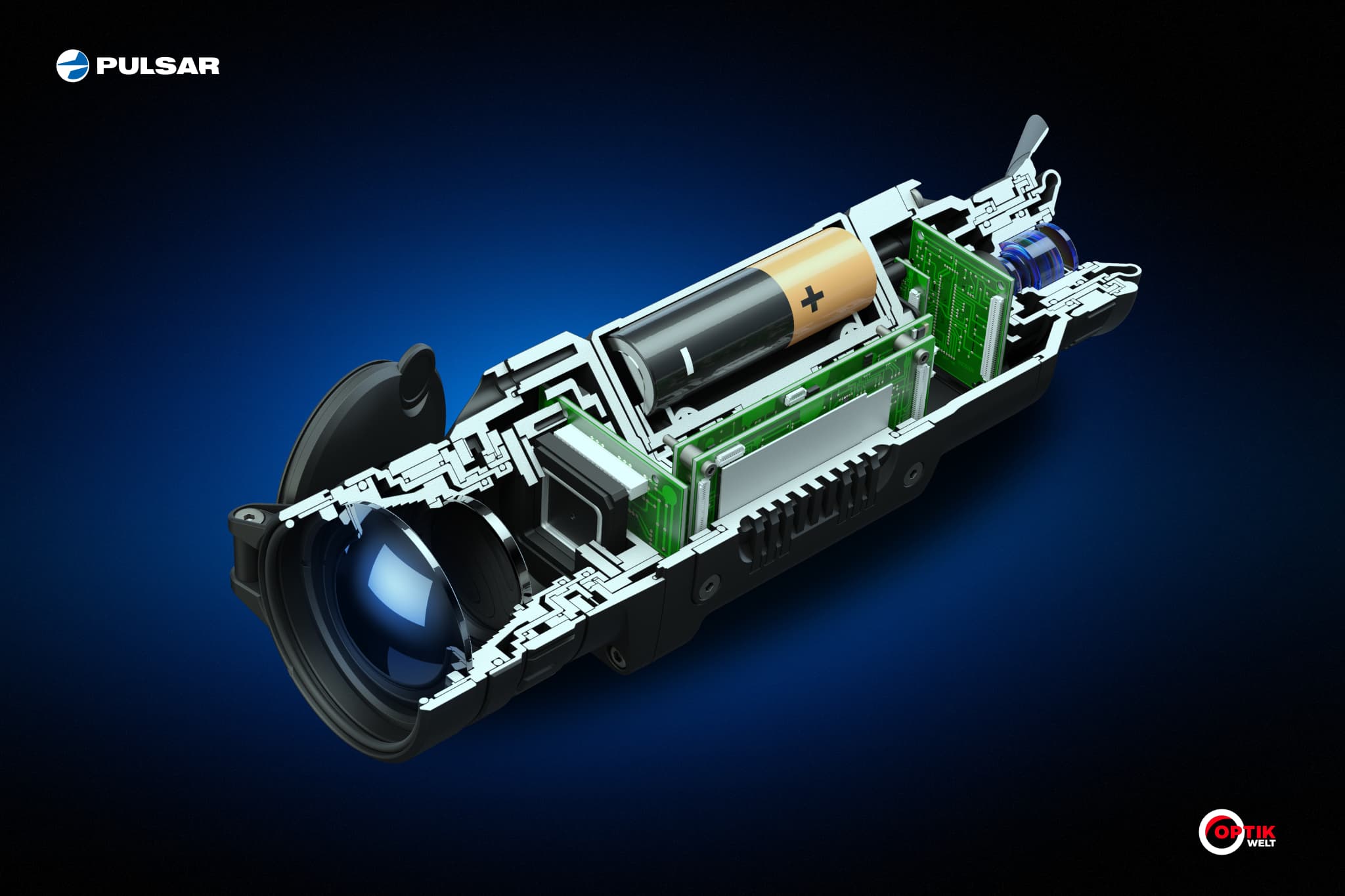
Termokaamerate puhul on enamlevinud kas LCOS või AMOLED ekraanid, milledest viimased on oluliselt parema pildikvaliteediga.
Lai või kitsas vaatenurk?
Vaatlusseadme objektiivi suurendusvõimest sõltub omakorda vaatevälja suurus. Võimsama suurendusega objektiivid võimaldavad paremini avastada ja jälgida kaugemal asuvaid objekte, et selle võrra on nende vaateväli kitsam.

Karjade ja üldise loodusjälgimise puhul võib olla väiksema suurendusega ehk lainurkobjektiiv kasulikum, kuna võimaldab vaadelda korraga suuremal alal toimuvat. Osadel vaatlusseadmetel on kas suumobjektiivid või vahetatavad objektiivid (nt Pulsar Helion 2 XP Pro) .
Kompaktne vs suuremõõtmeline
Pea kõigi tootjate valikust võib leida nii kompaktseid kui suuremõõtmelisi öövaatlusseadmeid.
Kompakte öövaatlusseadme puhul on primaarsed väiksed mõõtmed ja minimaalne mass. See seab omakorda piirid nii optika kui sensori suurusele, st seadme väiksus saavutatakse pildikvaliteedi arvelt. Kompaktne öövaatlusseade on praktiline sellistes oludes, kus on vaja palju ja kiirelt liikuda ning kaasaskantav varustus ei tohiks liikumist häirida ega raskendada. Kompaktsed öövaatlusseadmed mahuvad enamasti jope- või püksitaskusse.
Suuremõõtmelised ehk robustsemad öövaatlusseadmed kaaluvad rohkem ja võtavad ka rohkem ruumi, ent samas on reeglina ka parema pildiga, kuna nendel kasutatakse suuremaid sensoreid ja paremat optikat.
Ilmastikukindlus
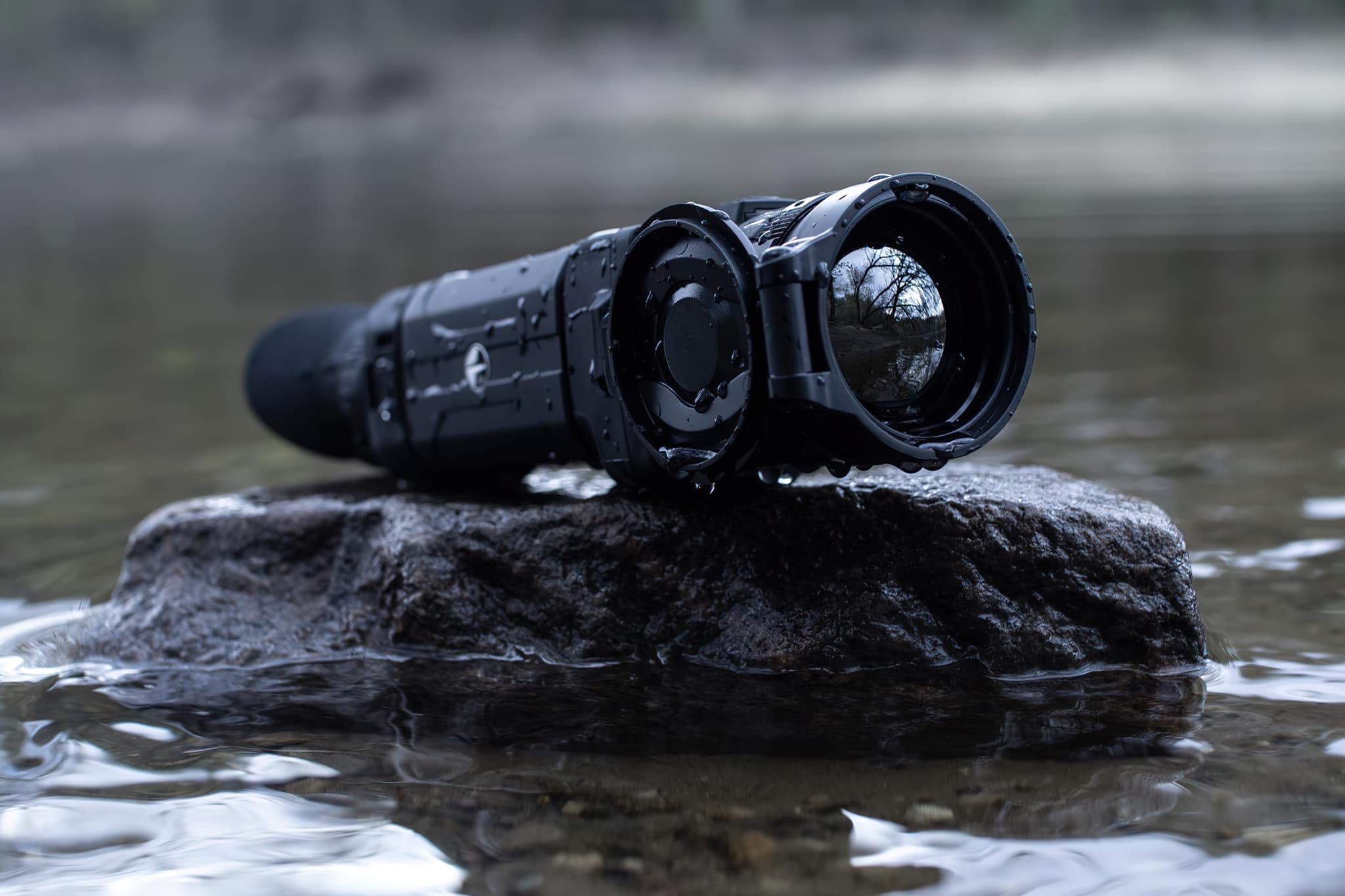
Kuna öövaatlusseadmeid kasutatakse välitingimustes on oluline nende vastupidavus ilmastikuoludele. Mida madalamaid ja kõrgemaid temperatuure talub ning veekindlam öövaatlusseade on, seda väiksem on risk seda rasketes ilmastikuoludes kahjustada. Enamikel Pulsari seadmetel on IPX7 (IEC 60529) ilmastikuklass, mis tähendab, et seade püsib töökorras ka peale seda kui peaks sattuma kuni pooleks tunniks ajaks vee alla.
Aku tööaeg
Aku tööajast sõltub kui pikalt saab seadmega vahetpidamata vaadelda. Pulsari seadmetel on reeglina vahetatavad akud, st selle standardtööaega saab pikendada kas suurema akuga või vahetades tühjaks saanud akusid täis akude vastu.
Professionaalne vs standardne
Enamik tootjaid klassifitseerivad oma tippmudeleid professionaalseteks. Termokaamerate puhul tähendab PRO märgistus enamasti seda, et selle seadmega on võimalik vaadelda ka erakordselt rasketes ilmasikuoludes, näiteks vihmaga või lumesajus või udus. Samuti pakuvad selle seeria seadmed madalamat mürataset ja märkimisväärselt teravamat pilti.
Monofunktsionaalne vs multifunktsionaalne
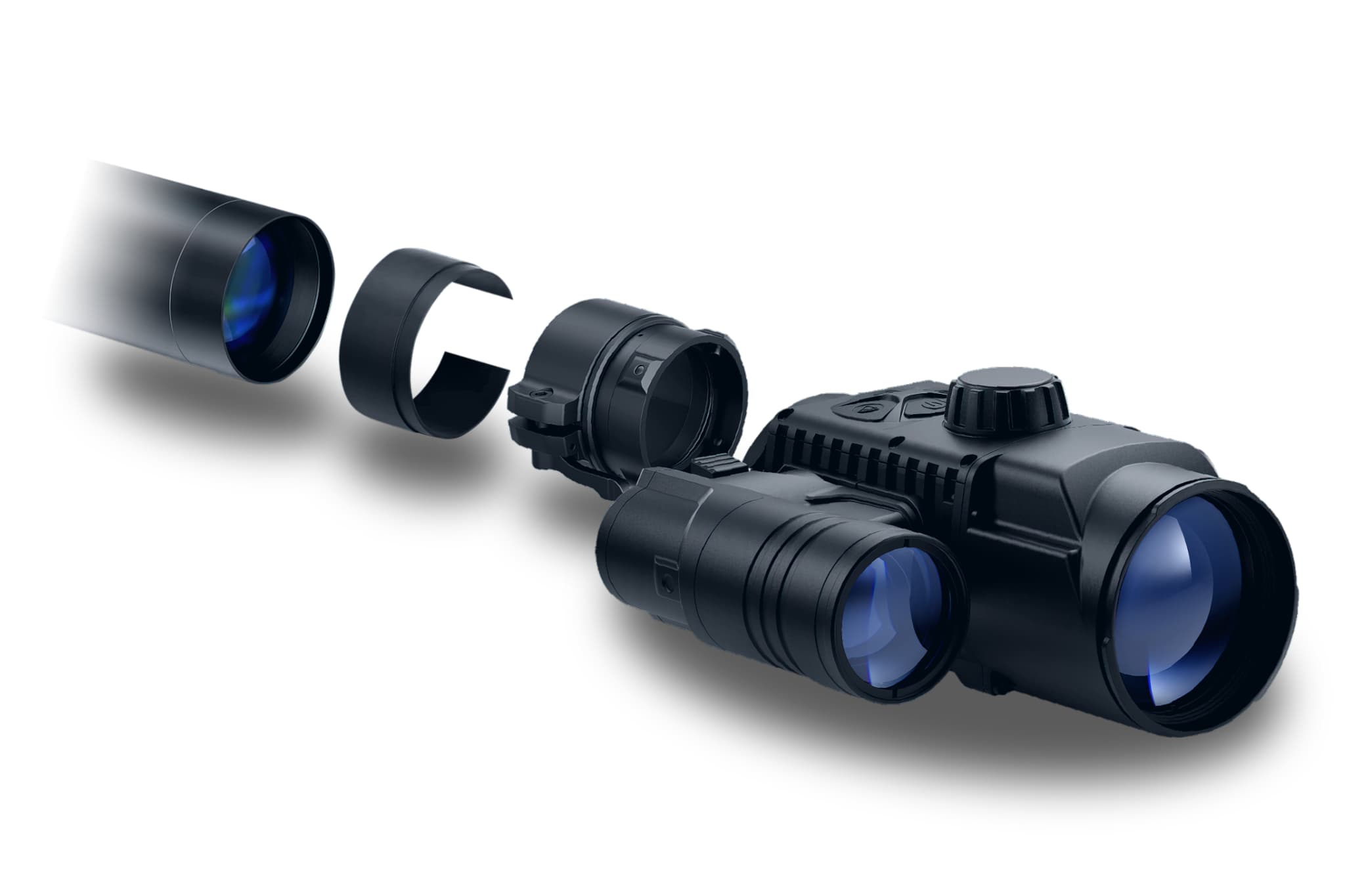
Optilised seadmed võib nende konstruktsiooni järgi jagada mono- ja multifunktsionaalseteks. Monofunktsionaalne optiline seade on näiteks sihik, pikksilm või binokkel. Multifunktsionaalset öönägemisseadet võib aga kasutada nii sihikuna kui pikksilmana, sõltuvalt sellest kas see kinnitada optilisele sihikule või pildiotsikule.
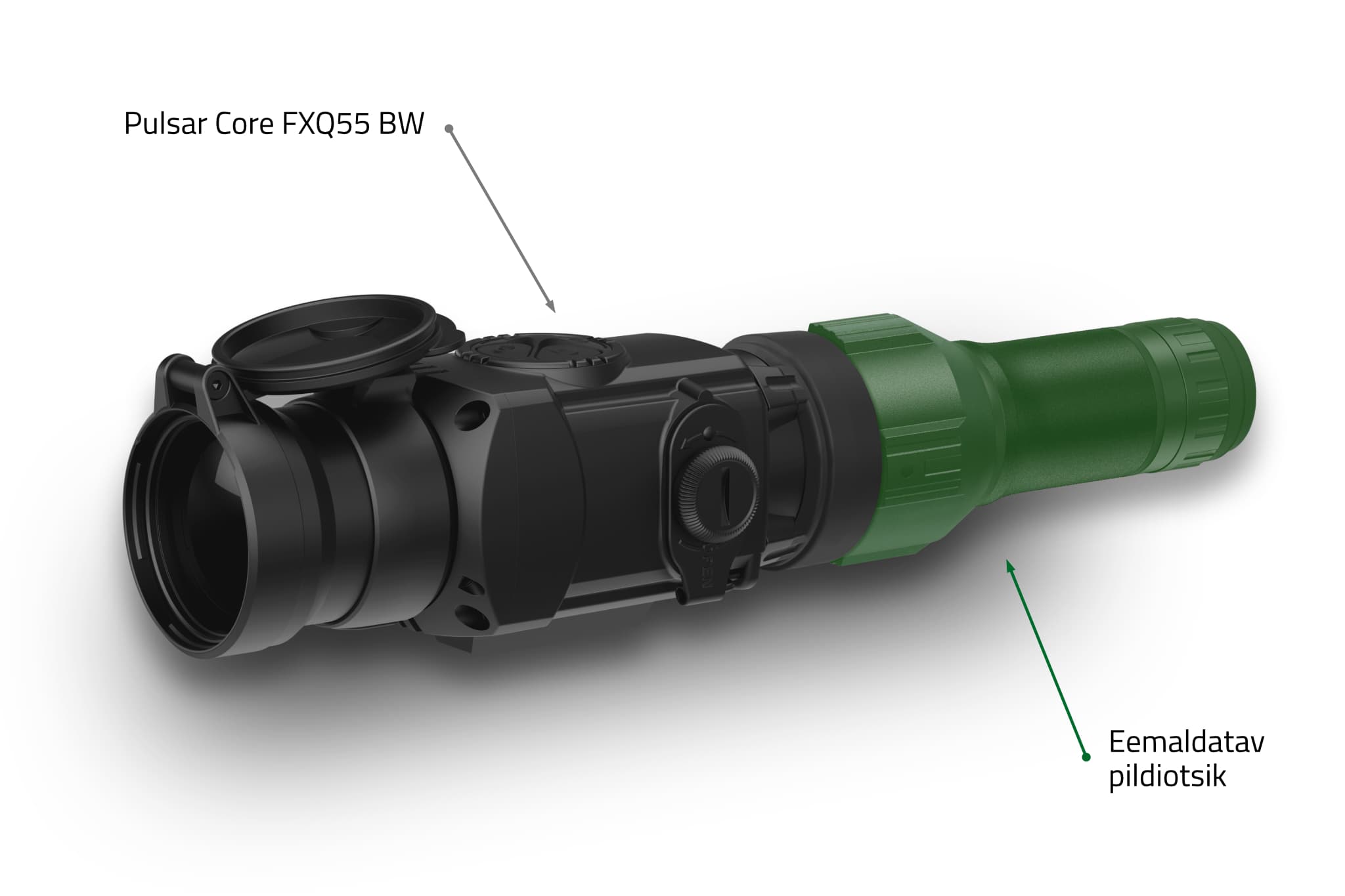
Multifunktsionaalse öövaatlusseadme seadme eelis on, et sama seadet saab kasutada mitmel otstarbel. Kui on vaja pimedas küttida, saab kinnitada seadme adapteriga sihikule. Kui aga on vaja kasutada seadet vaatlusülesanneteks, tuleb sellel kinnitada pildiotsik.
NB! Eestis ei ole öösihikute ja termosihikute kasutus lubatud, ent samas võib siiski soetada ja kasutada multifunktsionaalset öönägemisseadet või termokaamerat pikksilmana.
Binokkel vs pikksilm
Konstruktsiooni poolest jagunevad öövaatlusseadmed binokliteks ja pikksilmadeks. Binokkel on mõeldud vaatlemiseks mõlema silmaga, pikksilm ühe silmaga. Mõlemal on nii omad puudused kui eelised.
Paljud kasutajad on leidnud, et sellistes oludes, kus on vaja vaheldumisi vaadelda nii palja silmaga kui öövaatlusseadmega keskkonda, on pikksilm tüüpi seade silmadele mugavam, kuna silmad kohanevad paremini pimedusega. Binokliga tekib “pimestuse” efekt, mistõttu võtab pisut aega kui silmad taas kohanevad pimedusega. Samas on pikaajaliseks vaatlusteks binokkel mugavam, nt öö või- merevalves, karjade loendamisel, ulukite käitumise jälgimisel vaatlustornist vms.
Sihik vs pikksilm/binokkel
Pimedas tavalise optilise sihikuga ilma lisavalguseta sihtida ei saa., st relvale peaks kinnitama täiendava valgusallika. Valgusallikas aga võib omakorda kütitavaid loomi häirida ja need põgenevad küti vaateväljast. Samuti ei ole lisavalgusseadmed täpseks sihtimiseks küllaldased.
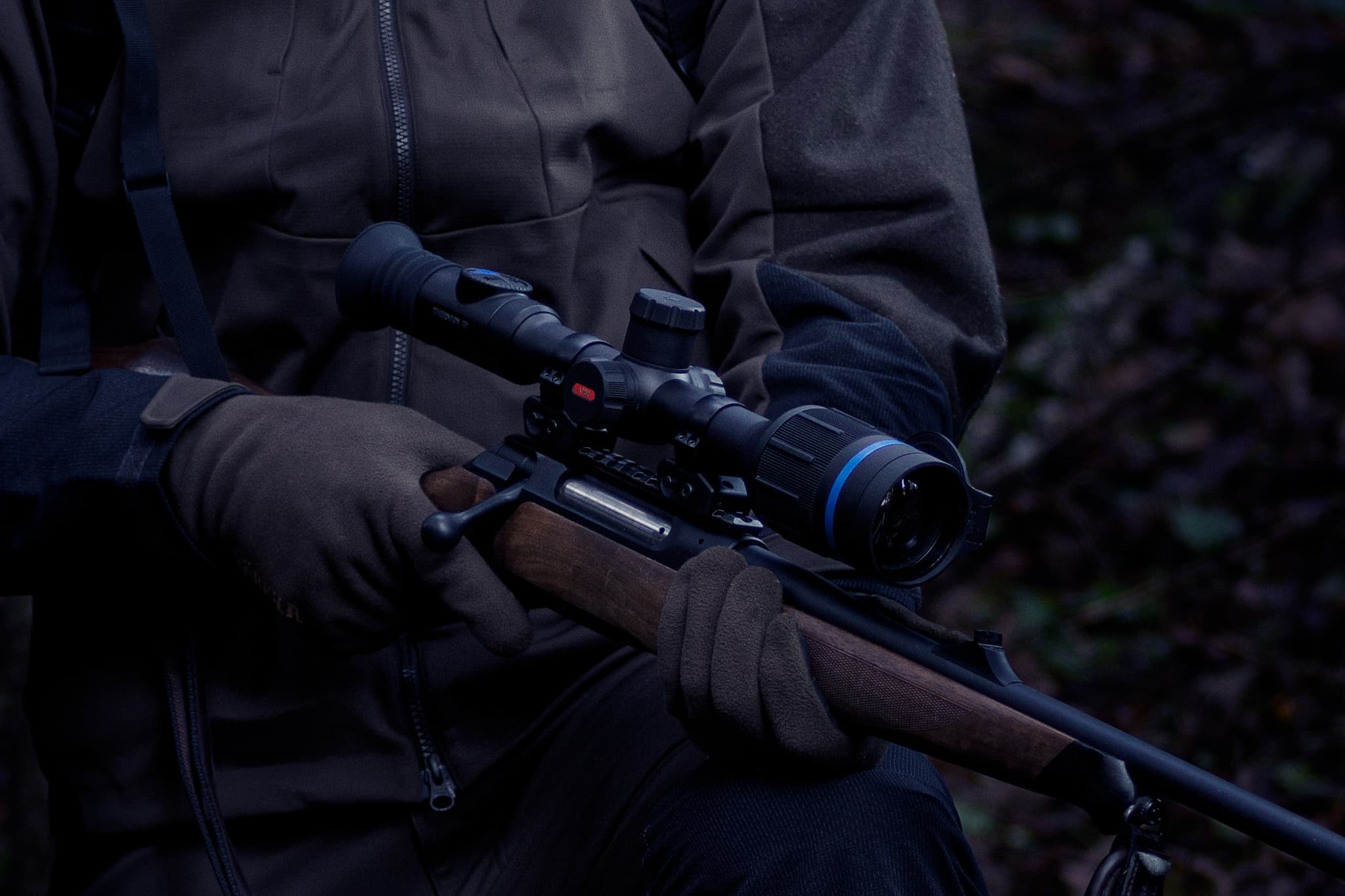
Öösihik ja termosihik võimaldavad küttida loomi pimedas väga täpselt ning ilma neid häiriva ja küti asukohta reetva lisavalgustuseta. Neis riikides, kus öösihikud on lubatud, kasutatakse termosihikuid päevasel ajal selliste loomade küttimiseks, kes varjuvad võsastikku või rohustikku ja keda pole seetõttu võimalik palja silmaga kas üldse või hästi ümbrusest eristada.
Tänase seadusandluse järgi pole Eestis öösihikute kasutus lubatud kuigi ühtegi sisulist argumenti nende keelamiseks pole. Detailsemat teavet sel teemal leiab artiklist “Kas öösihikute kasutuskeeld on ajakohane ja mõistlik?“.
Lasermõõdikuga öövaatlusseadmed
Isegi päevasel ajal on raske palja silmaga täpselt objektide kaugust määrata, ent öistes oludes veelgi keerulisem. Nii on tootjad hakanud varustama öövaatlusseadmeid laserkaugusmõõtjatega. Enamasti on laserkaugusmõõtjate mõõtekaugus kuni 1 kilomeeter ja maksimaalne eksimus pikemal distantsil ±1 meeter.
Kuna tulirelvade kuul ei liigu siiski sirgejooneliselt vaid selle trajektoori mõjutavad nii maa külgetõmbejõud kui tuule kiirus jms, siis on objekti täpne kaugus kütile oluline, et sihtimisel arvesse võtta kuuli derivatsiooni.
Foto ja videosalvestus
Vahel ei piisa pelgalt vaatlemisest vaid vaatlust oleks ka vaja dokumenteerida, milleks on osadesse seadmetesse lisatud pildi- ja videosalvestuse funktsioonid. Salvestatud kujutisi saab hiljem üle vaadelda ja teha täiendavaid tähelepanekuid. Ka saab salvestisi jagada sõprade tuttavate või teiste loodushuvilistega. Mõningatel puhkudel võivad salvestused osutuda vajalikuks õigusvaidluste lahendamiseks.
Videopildi voogedastus (striim)
Lisaks pildi- ja videosalvestuse võimalusele pakuvad tootjad ka juba videopildi voogedastuse võimalust YouTube vms platvormi vahendusel. Nii on võimalik vaatlusseadme pilti jagada reaalajas teistega. Voogedastusega vaatlusseadmeid saab edukalt kasutada ka mehitamata vaatluspostides.
Ühilduvus nutiseadmetega
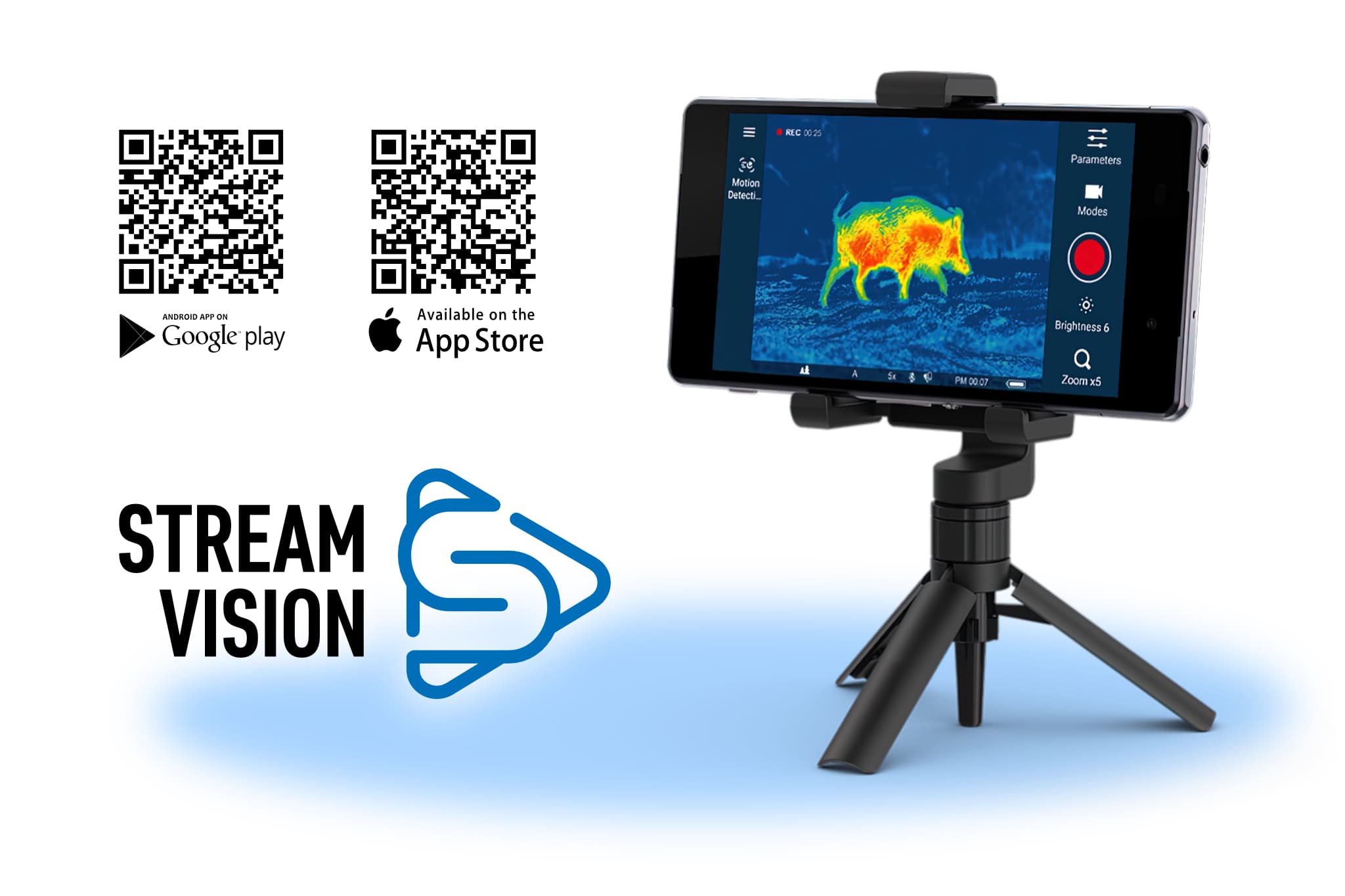
Ühilduvus nutiseadmetega muudab vaatlusseadme kasutuse mugavamaks, võimaldades tõmmata nutiseadmesse pilte ja videosalvestusi, häälestada seadet, uuendada tarkvara (firmware) või jälgida pilti nutiseadme ekraanilt.
Mida silmas pidada valiku tegemisel?
Eelpool tõime välja peamised kriteeriumid, mille alusel öövaatlusseadmeid valida. Iga komponendi kvaliteet või lisavõimaluste olemasolu mõjutavad omakorda vaatlusseadme hinda, mistõttu tuleb teha kompromiss omaduste ja hinna vahel valides. Esikohale tasuks alati panna pildi kvaliteedi, ilmastikukindluse ja aku tööaja ning sellel pinnalt valida oma eelarvevõimalustele sobivam lahendus.
Juhul kui on oluline, et seadet saaks kasutada ööpäevaringselt, siis tuleks valida termokaamera, kuna sellega saab hõlpsasti ka päevasel ajal tuvastada looduskeskkonnaga kokku sulavaid loomi.
Juhul kui te käite küttimas ka teistes riikides, sh sellistes kus öösihiku kasutus on lubatud, siis võib olla nutikas valida multifunktsionaalne termokaamera, mida saate Eestis kasutada pikksilmana aga välismaal lisada selle oma optilisele sihikule, muutes selle niiviisi öösihikuks.
Soeta järelmaksuga
Öönägemisseadmed ja termokaamerate paremad mudelid ei ole just kõige odavamate killast, mistõttu pakub Optikwelt soetada seade järelmaksuga. Niiviisi saate ihaldatud seadme kätte juba täna aga ajastate tasumise pikemale perioodile.
Kommentaarid
Jaga julgesti oma seonduvaid mõtteid ja kommentaare meie Facebook postituses: Kuidas valida öönägemisseadet?