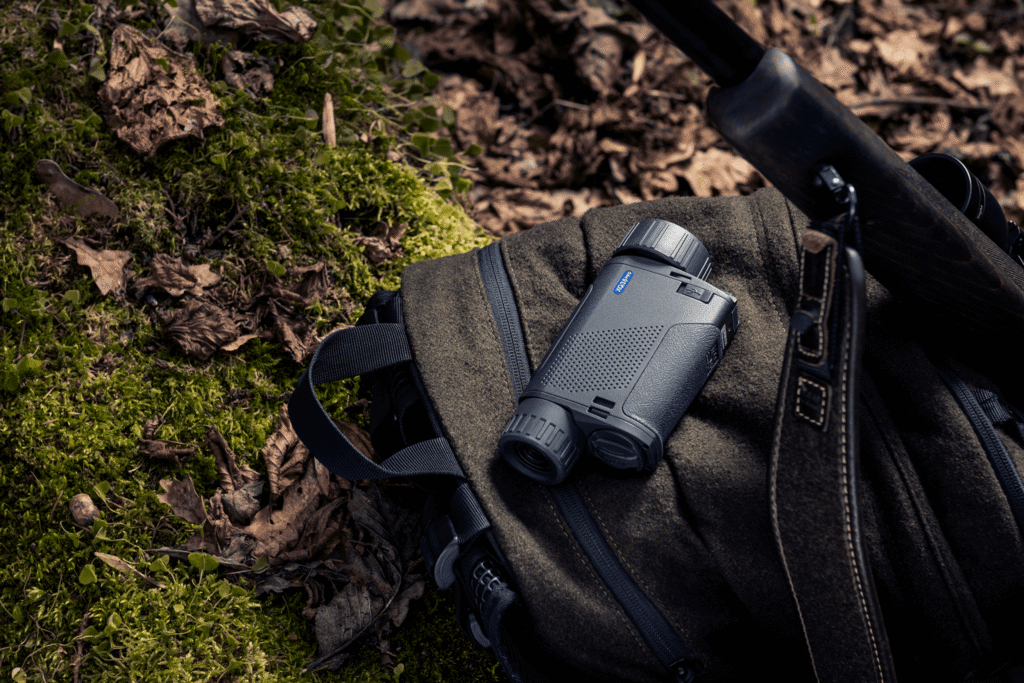
Pulsar Axion 2 XQ35 thermal imaging camera
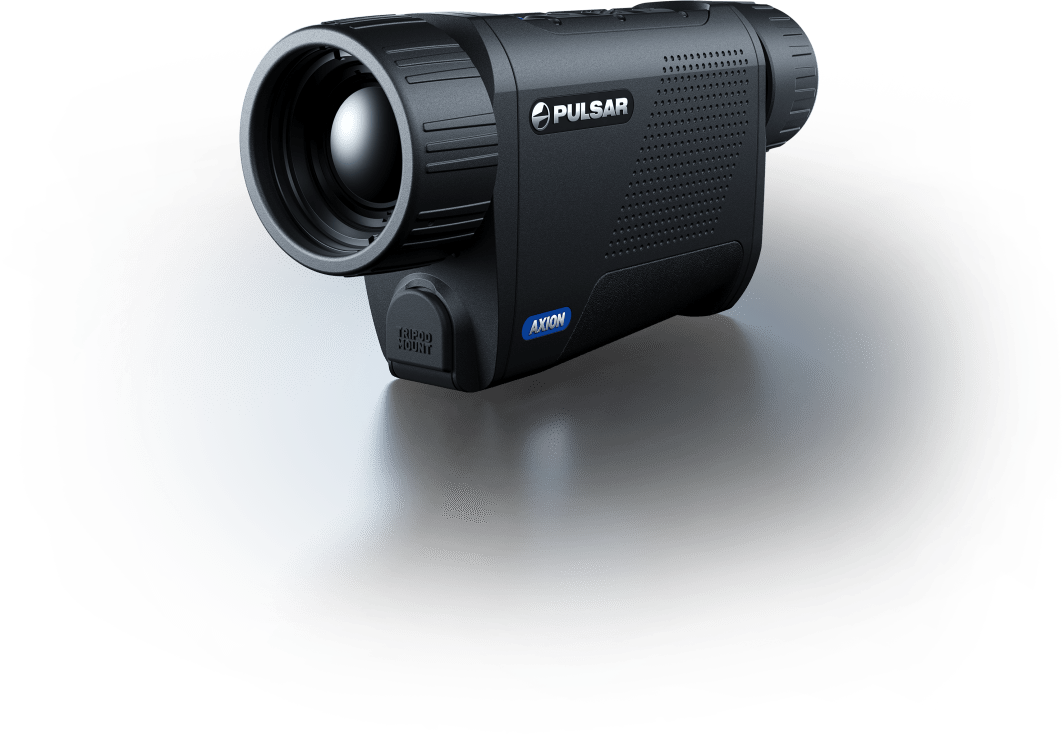
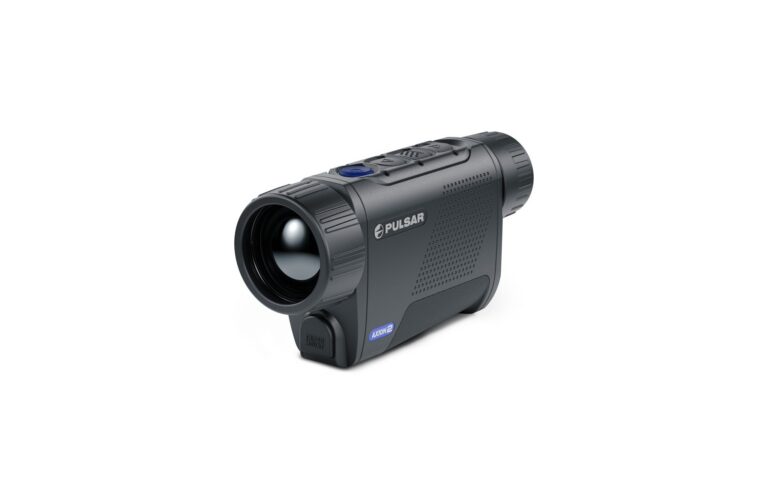
The Pulsar Axion 2 XQ35 is a compact thermal imaging camera for hunting and wildlife observation.
Wide field of view, detection range up to 1300 m and up to 11 h of operation.
3 in stock
Pulsar Axion 2 XQ35 – a compact thermal imaging camera for hunting
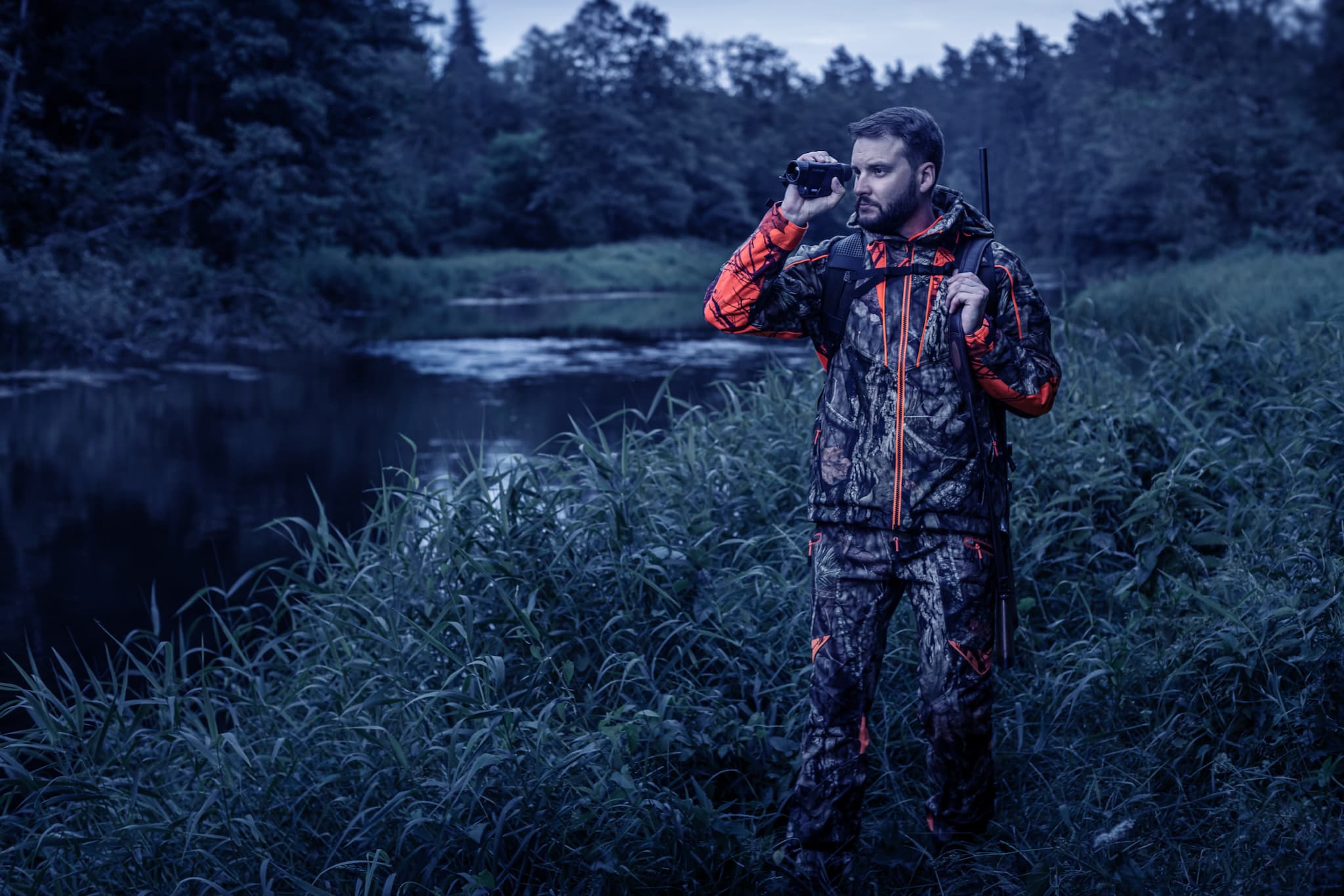
The Pulsar Axion 2 XQ35 is a compact thermal imaging camera for hunters who want to spot game before it can be seen with the naked eye or ordinary binoculars. Dusk, total darkness, the forest edge, tall grass or undergrowth – these are exactly the situations in which the practical value of a thermal imaging camera becomes clearest.
The Axion 2 XQ35 is not just a device for viewing a thermal image. When hunting, it helps you check your surroundings quickly, detect a heat source and get a better picture of the situation before deciding what to do next.
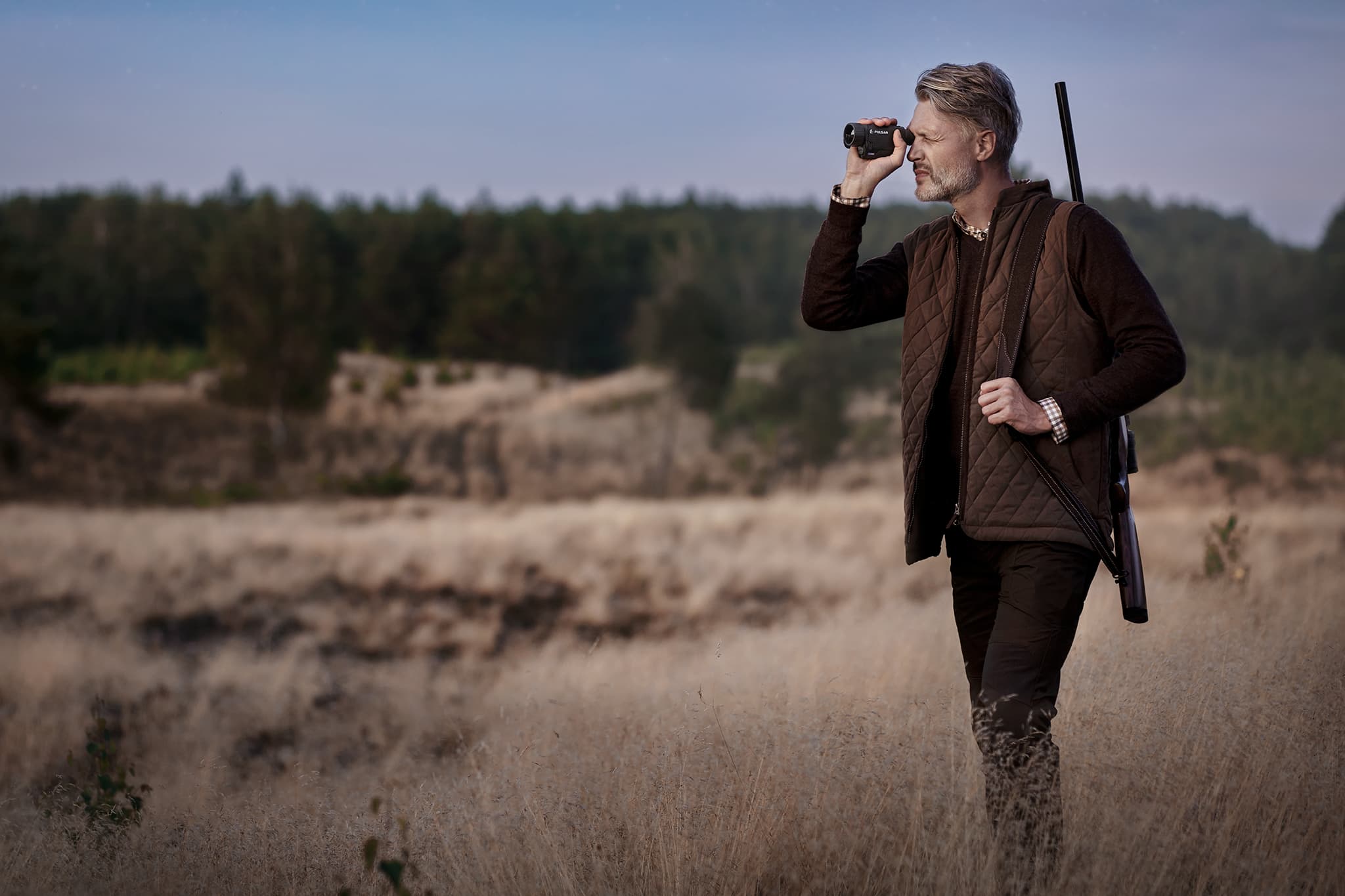
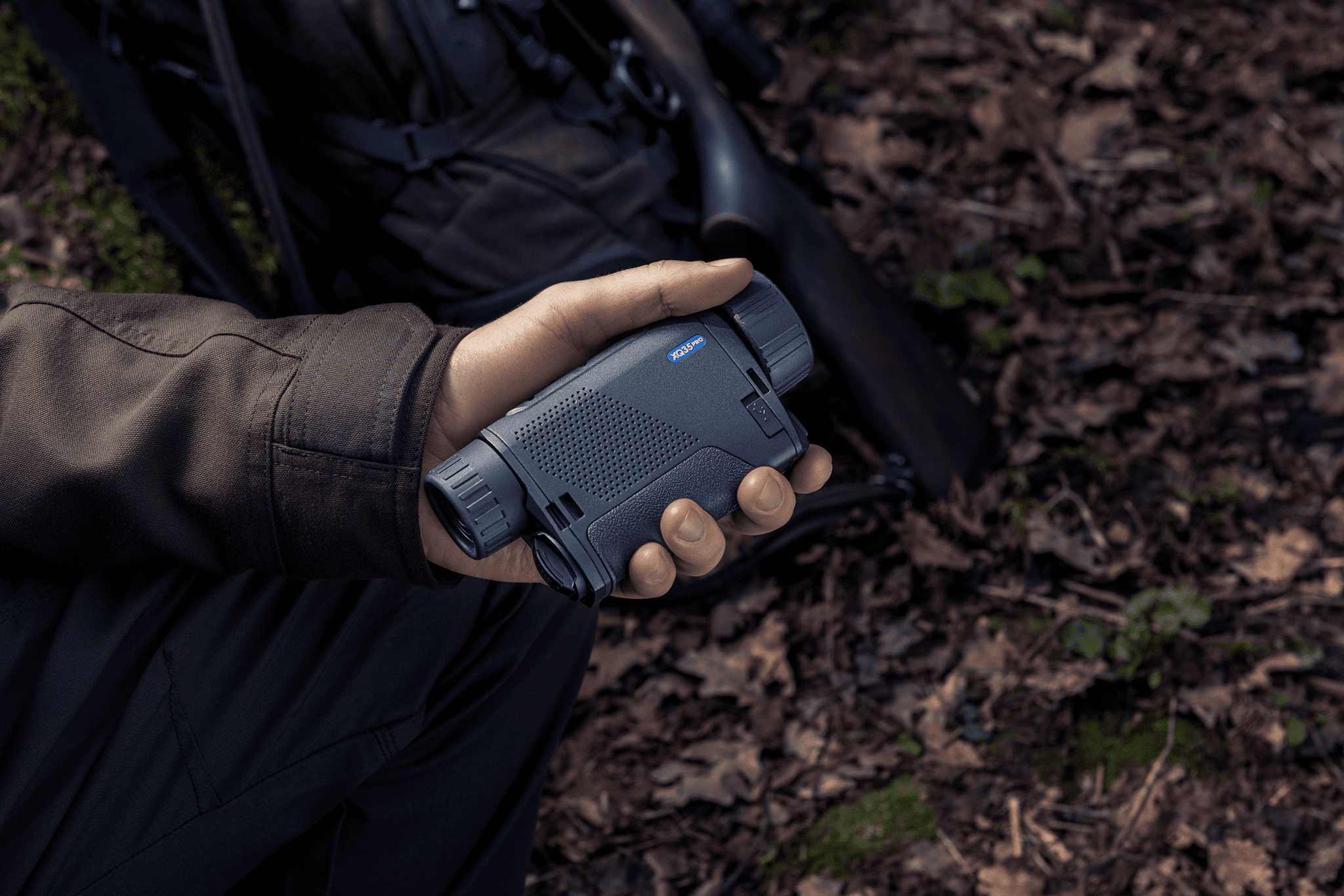
Small, light and easy to carry – this is a Pulsar thermal imaging camera that can always be close at hand when hunting.
Spot game even when your eyes can no longer see
As darkness falls, an animal quickly becomes invisible to the naked eye. It is especially hard to spot game at the edge of a forest, among bushes or against a dark background.
The Pulsar Axion 2 XQ35 detects the thermal radiation of objects and needs no visible light. This lets you search for and watch animals both at dusk and in total darkness.
In practice, this means a simple advantage: instead of staring into the darkness for a long time and guessing at movement, the hunter can check the area quickly with a thermal imaging camera.
This is useful in the forest, in the field, in a clearing, in a hunting hide and before moving on across the terrain.
384 × 288 sensor and F35/1.0 lens – a practical combination
The Axion 2 XQ35 uses a 384 × 288 pixel thermal sensor and a fast F35/1.0 germanium lens.
Technical figures matter, but for a hunter their practical meaning is more important.
The device helps distinguish warmer objects from their surroundings and maintain a usable thermal image even in more challenging viewing conditions.
Pulsar's image processing and adjustable sensitivity gain levels help you tailor the image to the weather and viewing environment.
A wide field of view helps you find game faster
One of the most important advantages of the Axion 2 XQ35 for hunting is its 2× base magnification and 10,7° field of view.
At a distance of 100 metres, this means a field of view roughly 18,2 metres wide.
Why does this matter?
For searching, a wide field of view is often more useful than very high magnification. When scanning a forest edge or a field, the hunter sees a larger area at once, making a moving animal easier to spot and follow.
Once a heat source has been found and you want a closer look, you can use digital zoom up to 8×.
So the logic of use is natural: first find the animal with the wide field of view, then zoom in on the object of interest.
Detection range up to 1300 metres – what does it really mean?
Pulsar states a maximum detection range of up to 1300 metres for the Axion 2 XQ35 thermal imaging camera for a standard deer-sized target.
Two things need to be distinguished here: detecting a heat source and positively identifying an animal.
At long range, a thermal imaging camera can show that there is a heat source in the landscape. To reliably assess the species, size and other details of an animal, you usually need to observe the target from closer up.
The actual observation and identification range depends on the size of the animal, the weather, humidity, vegetation and the temperature difference.
That is why 1300 metres is primarily a detection range, not a promise that every animal can be identified unmistakably at that distance.
For a hunter, the greatest benefit of the Axion 2 XQ35 is that it helps you find a heat source quickly and decide whether the target is worth following.
Estonian weather doesn't have to end your day's hunting
Hunting conditions in Estonia often mean damp, rain, snow, fog and low temperatures.
The Axion 2 XQ35 is designed for outdoor use. Its operating temperature is −25 °C to +40 °C, and IPX7 waterproofing means the thermal imaging camera can also be used in rain and wet snow.
A thermal imaging camera can also be useful in fog and high humidity, but bear in mind that heavy precipitation, dense fog and very low temperature contrast reduce the visibility and effective observation range of any thermal device.
This is not a shortcoming to be hidden – it is the physical reality of thermal imaging technology.
Only about 380 grams – a thermal imaging camera you can always carry with you
With hunting gear, weight matters more than it might seem at first glance.
The Axion 2 XQ35 weighs approximately 380 grams including the battery and measures about 152 × 50 × 74 mm.
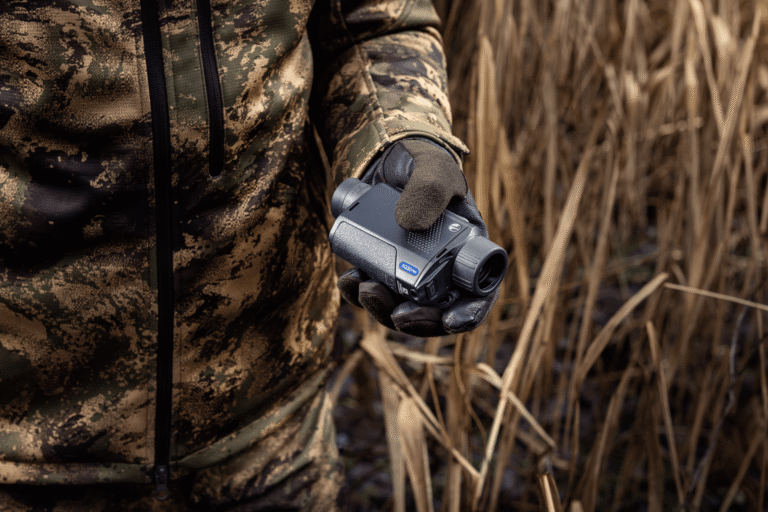
The device fits easily into a hunting jacket pocket or a small kit bag.
This makes the Axion especially practical for active hunting. The thermal imaging camera doesn't have to be carried separately as a bulky observation device – it can always be close at hand.
Because the most useful thermal imaging camera isn't necessarily the model with the biggest sensor. The most useful one is often the one you have with you at the right moment.
Up to 11 hours of operation and a replaceable APS5 battery
The Axion 2 XQ35 uses a compact APS5 battery which, according to the manufacturer, can last up to 11 hours.
It provides enough power for longer evening and night-time observation without the hunter having to keep checking the battery level.
The battery is replaceable and the device can be charged via USB-C.
Actual operating time depends on the temperature and on how much features such as the Wi-Fi connection and video recording are used.
Record what you saw in the forest
The Axion 2 XQ35 can take photos and record video. The device has 16 GB of internal memory.
An interesting wildlife sighting can therefore be recorded straight away, without taking out your phone.
Via a Wi-Fi connection and the Stream Vision 2 app, the thermal imaging camera can be connected to a smartphone so you can view recorded footage and use the device's additional features.
It is a convenient way to review what you saw on a larger screen later or share it with your hunting companions.
Who is the Pulsar Axion 2 XQ35 for?
The Axion 2 XQ35 is above all for hunters who value compactness, reliability and ease of use.
It is a good choice:
- for searching for and initially detecting game;
- for checking forest edges, fields and clearings;
- for observing from a hunting hide;
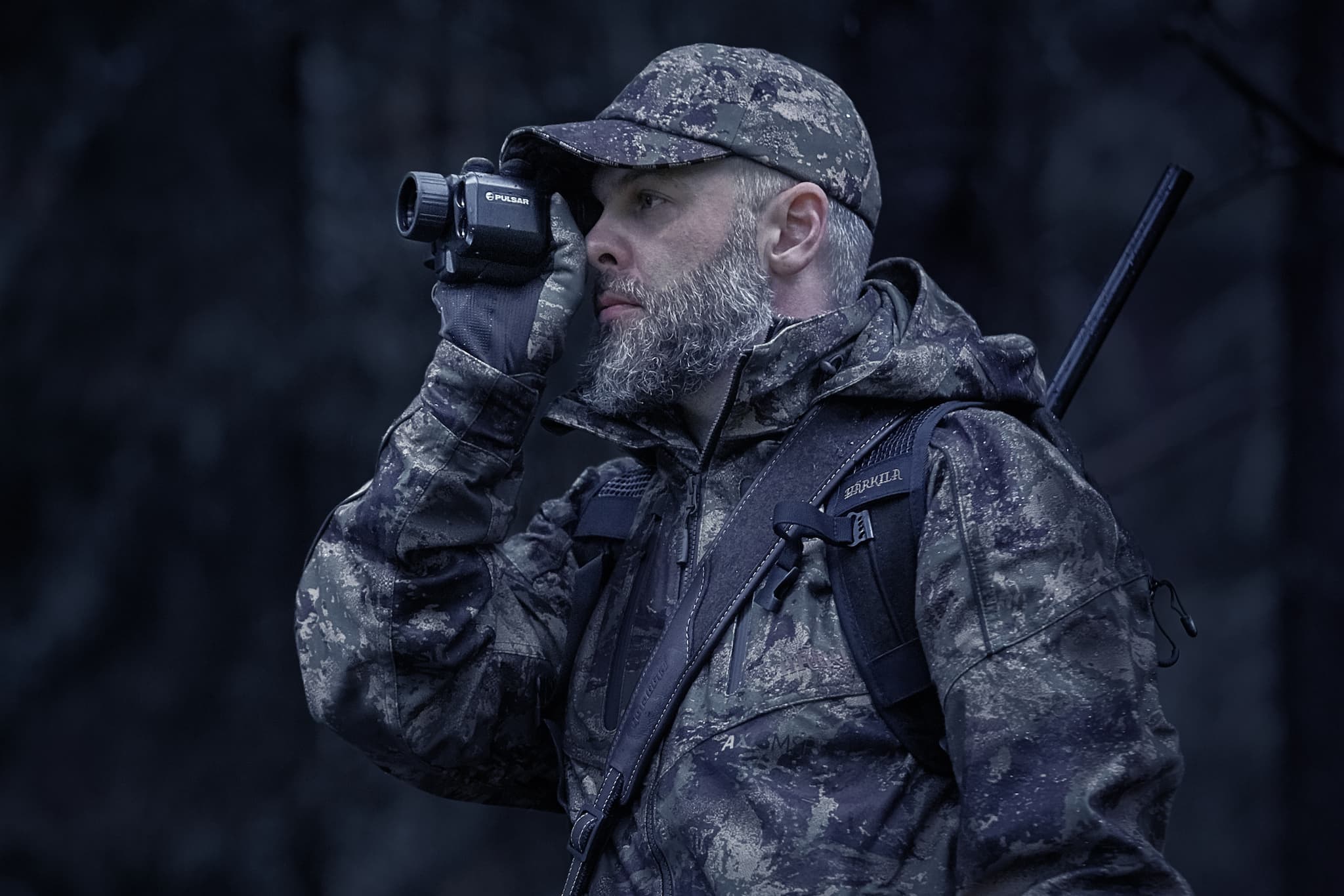
- for active hunting and use on the move;
- for watching animals after dark;
- for quickly checking the hunting ground before moving on.
If your aim is maximum image detail at very long distances, it is worth comparing the Axion 2 XQ35 with higher-resolution Pulsar thermal imaging cameras.
But if you are looking for a small, reliable thermal imaging camera that is easy to take on every hunt, the Axion 2 XQ35 is a very well-balanced choice.
Why choose the Axion 2 XQ35 alongside newer models?
A newer model is not automatically the better choice for every hunter.
The strength of the Axion 2 XQ35 lies in its balance: a 384 × 288 thermal sensor, F35/1.0 lens, wide field of view, 2× base magnification, replaceable battery, video recording, Wi-Fi and a small, rugged body.
This model has the key features a hunter needs for finding game and thermal observation, without the device becoming large or unwieldy.
This makes the Axion 2 XQ35 a sensible choice for hunters who don't want to pay for features they would rarely use in practice.
Pulsar Axion 2 XQ35 from Optikwelt
When choosing a thermal imaging camera, it is not worth going purely by which model has the biggest technical figures.
What matters is where you hunt, at what distances you usually observe, whether you cover a lot of ground on foot and what image quality you actually need.
Optikwelt helps you choose a Pulsar thermal imaging camera based on how you will actually use it – not just on the specifications.
The Pulsar Axion 2 XQ35 is above all a practical tool: small, light and capable enough to help you spot what would otherwise go unnoticed in the dark.
Because in hunting, a good decision starts with first seeing and understanding what is happening around you.
| Sensor | 384×288@17µm |
|---|---|
| NETD | ‹20mK |
| sNETD | - |
| Lens | F35/1.0 |
| Enlarge | 2-8× |
| The field of vision | 10,7°×8° / 18,2m @100m |
| Detection distance | 1300 m |
| Image stabilizer | - |
| Distance meter | - |
| IR luminaire | - |
| Screen | AMOLED 640×400 |
| Frame rate | 50 Hz |
| Colour palettes | - |
| Internal memory | 16 GB |
| Jathan | video 528×400 |
| Wi-Fi | 2.4 / 5 GHz |
| Body | magnesium sulphate |
| Class of protection | IPX7 |
| Operating temperature | –25°C…+40°C |
| Battery | APS5 Li-Ion 4900 mAh |
| Battery life | up to 11 hours |
| Dimensions | 152×50×74mm |
| Weight | 380 g |
Similar products
 Sale
Sale
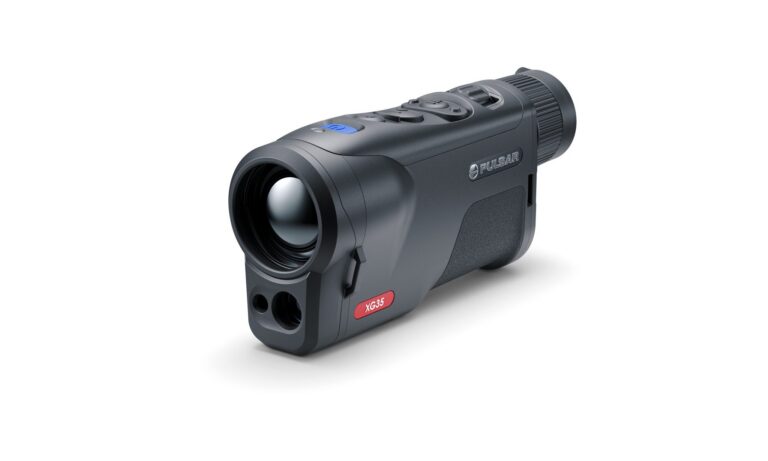
Pulsar Oryx LRF XG35 thermal camera
 Sale
Sale
Pulsar Axion 2 XG35 thermal imaging camera
 Sale
Sale
Pulsar Axion XQ30 Pro thermal imaging camera
 Sale
Sale