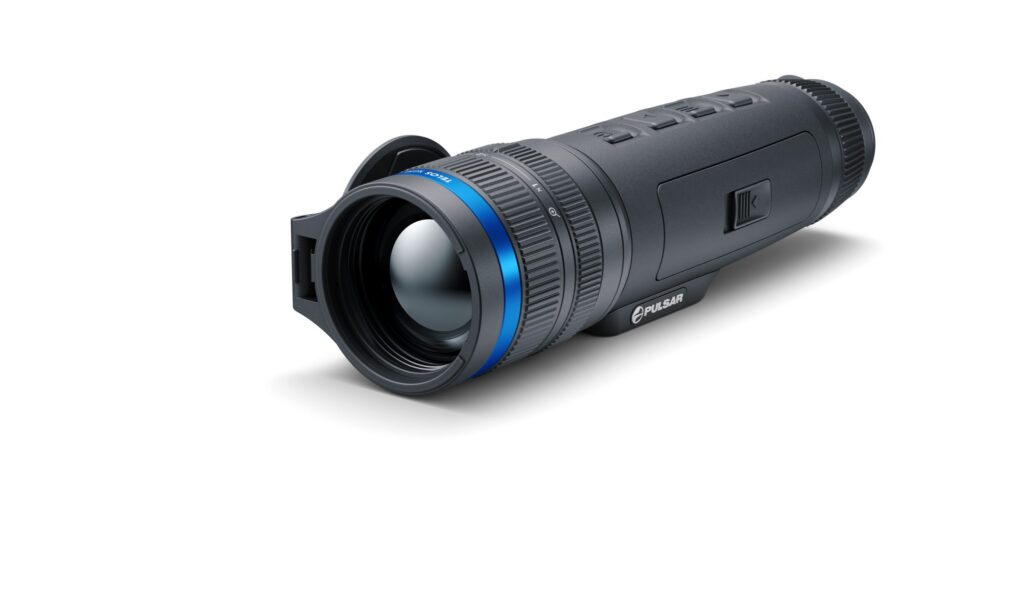
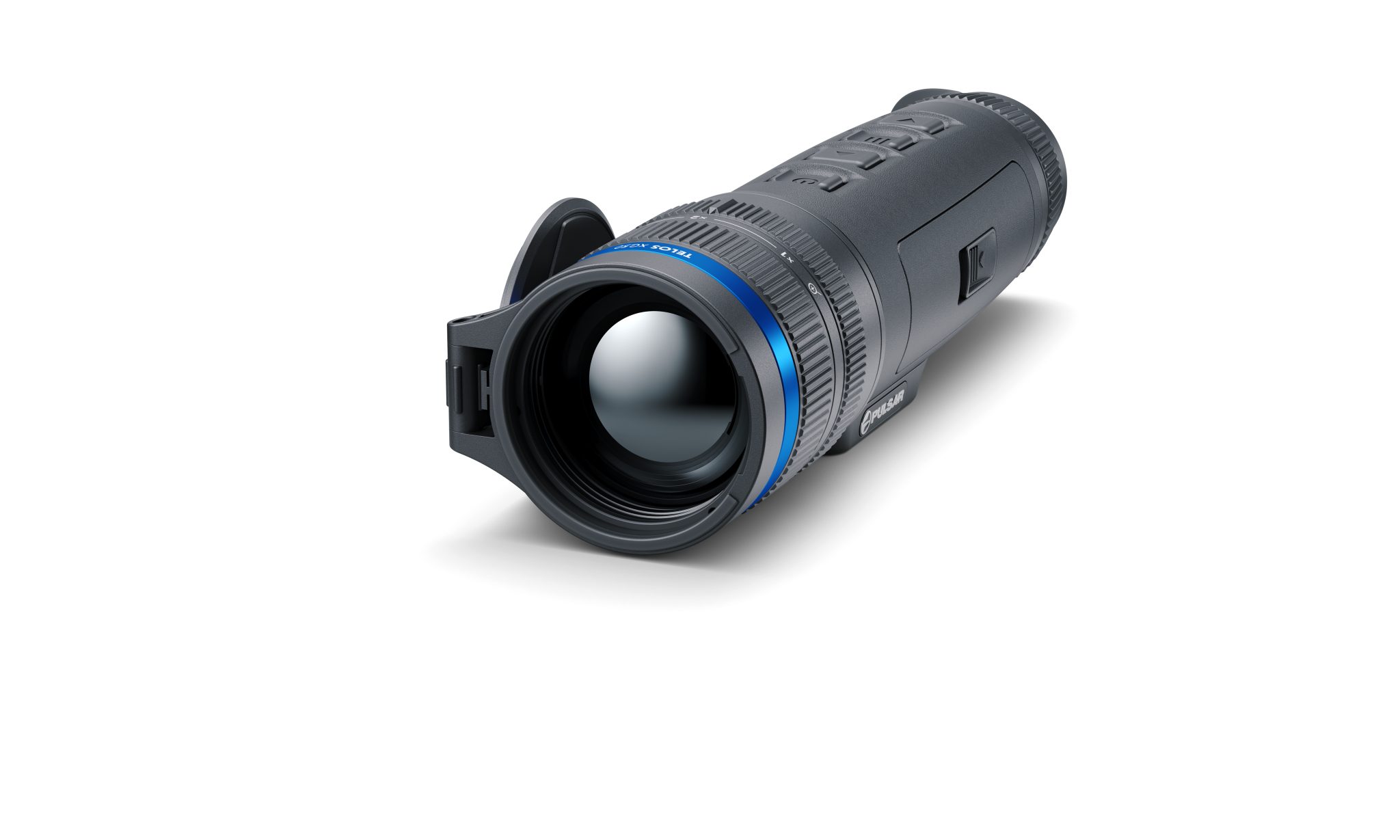
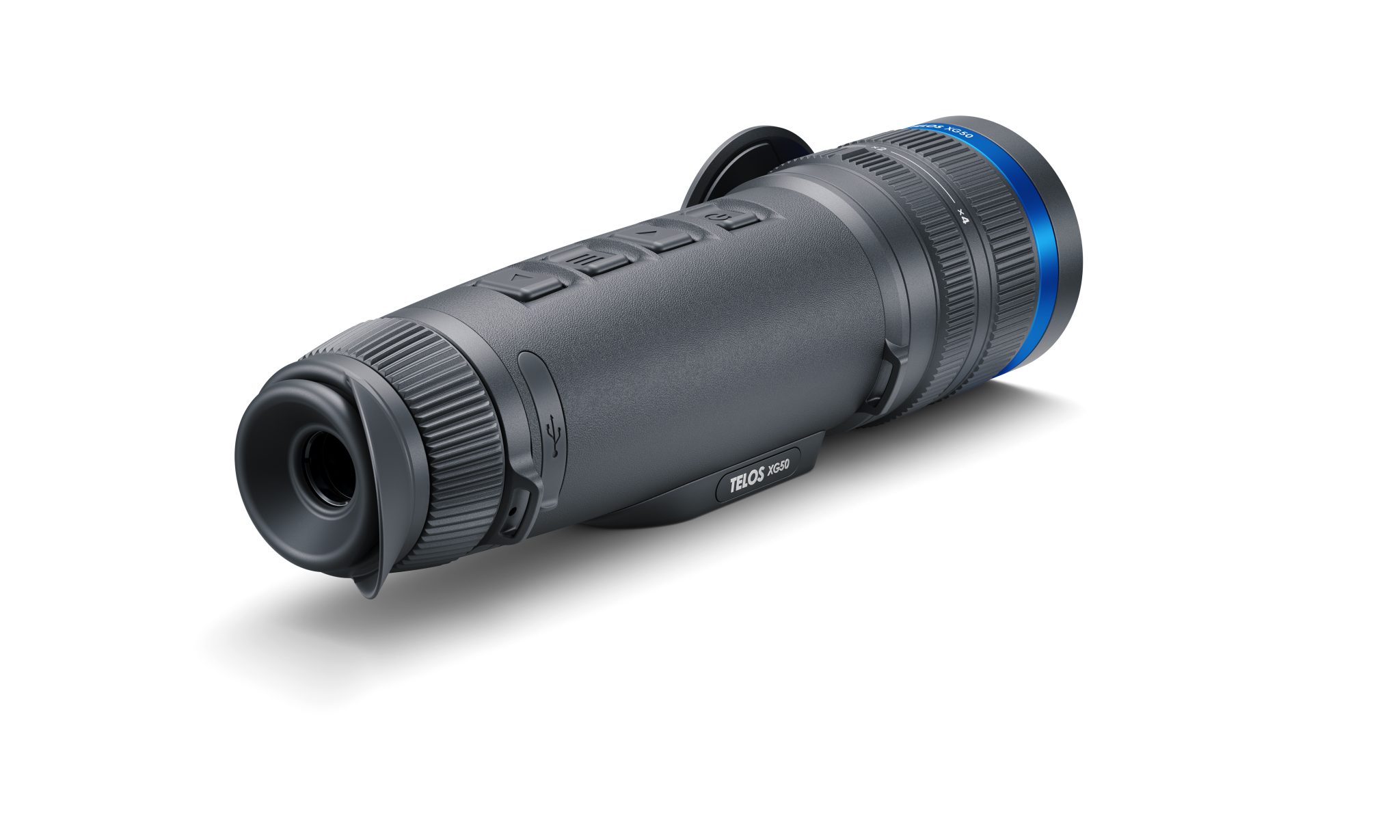
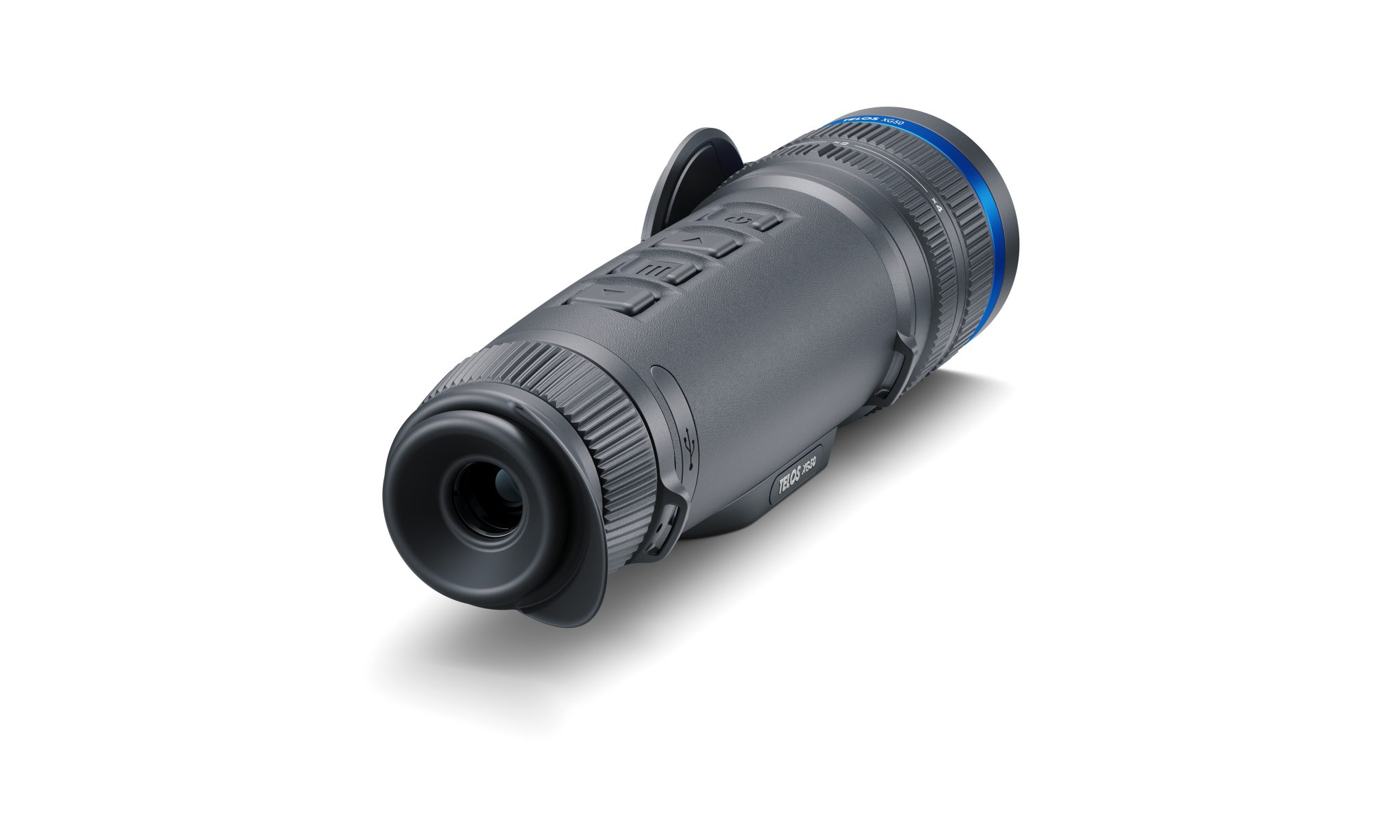
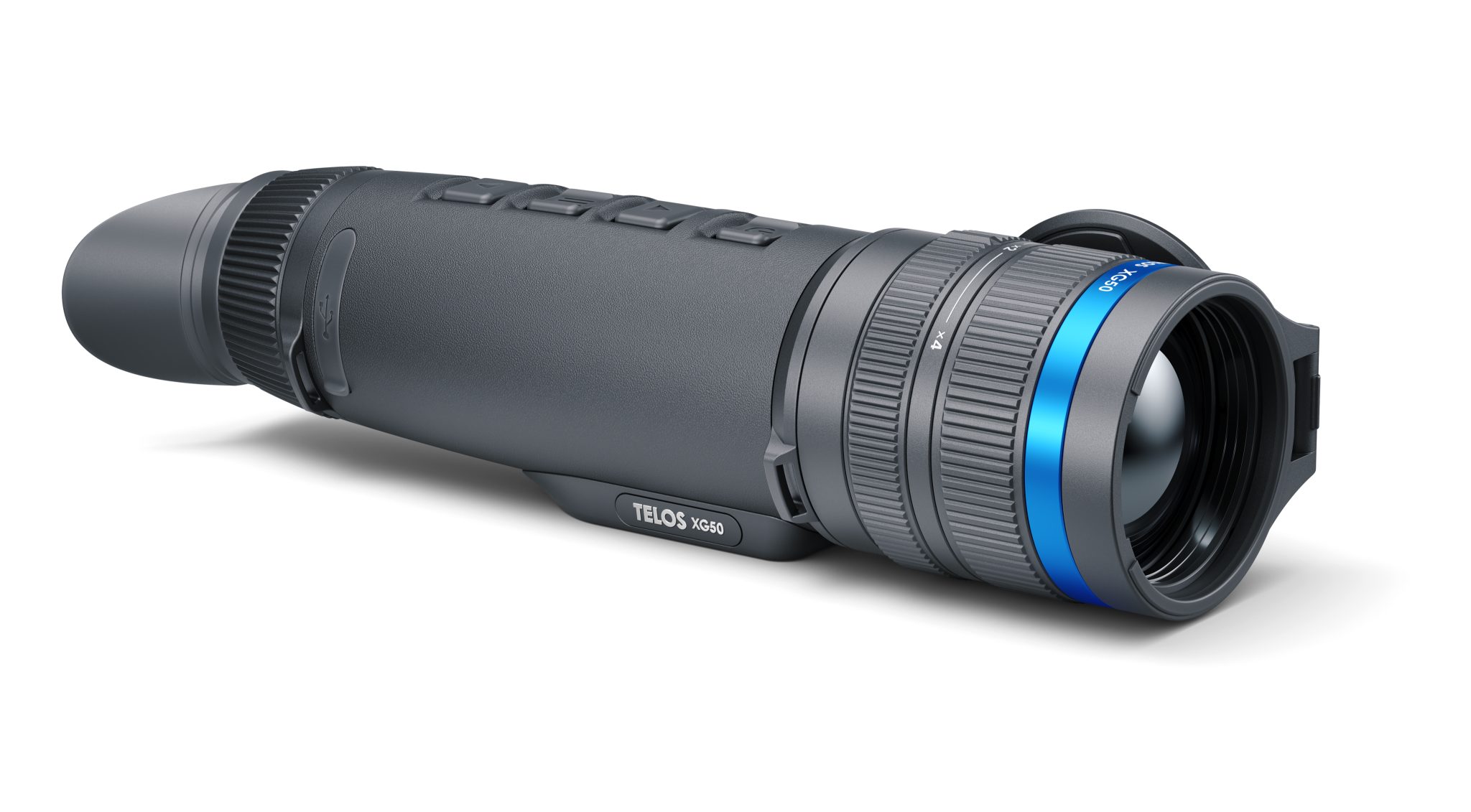
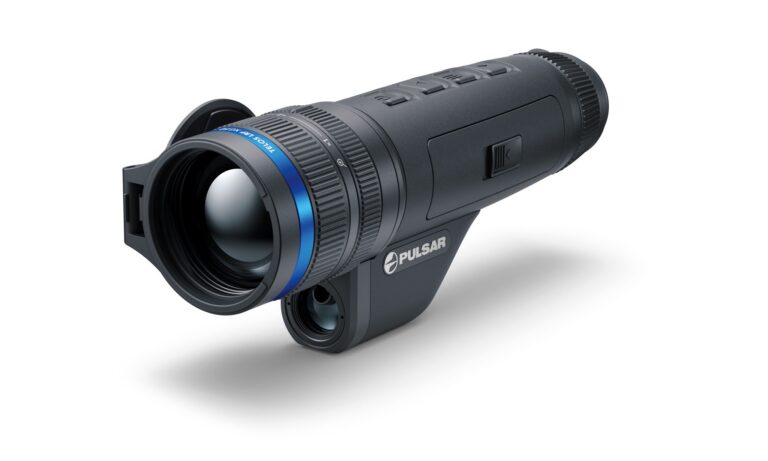
Pulsar Telos XG50 thermal imaging camera
The Pulsar Telos XG50 is a thermal monocular with a 640×480 sensor and a 50 mm lens for large fields. The highest base magnification in the series, 3.5×, brings distant animals closer. The detection range is 2300 m.
- Sensor: 640×480, 12 µm
- Lens: F50/1.0
- NETD: <40 mK (system <20 mK)
- Magnification: 3.5–14× (Zoom Boost up to 28×)
- Field of vision: 8.8° × 6.6° (15.4 m at 100 m)
- Detection distance: 2300 m
- Rangefinder: stadiametric
- Battery life: up to 8,5 h
1 in stock
Pulsar Telos XG50 thermal monocular
The Telos XG50 is designed for open terrain. Large fields, meadows, clearings and bogs, where an animal may be a kilometre away or more, are where this device belongs. The 640×480 sensor with 12 µm pixels, combined with a 50 mm F/1.0 lens, gives the highest base magnification in the Telos series: 3.5×. The XG50 detects a deer-sized animal at up to 2300 metres.
Image and magnification
Digital zoom takes you up to 14× and up to 28× in Zoom Boost mode. The image stabiliser steadies the picture, so it does not jump about even at high magnification when held by hand. The field of view is 15.4 m at 100 m. This is narrower than on the XP50 and XL50, so those models are better suited to searching at close range in the forest.
Display, recording and app
1024×768 AMOLED display, 64 GB of internal memory for photos and video with sound, and picture-in-picture mode. The device connects to the Stream Vision 2 app via Wi-Fi (2.4 and 5 GHz). The stadiametric rangefinder estimates distance based on the known height of the animal.
Battery and weather
The LPS 7i battery gives up to 8.5 hours of operating time and can be charged with a USB-C cable or wirelessly. The housing is waterproof to IPX7, operating temperature is –25 to +40 °C, and weight with battery is 670 g.
Comparison with other Telos models
Telos XP50 has a larger pixel pitch (17 µm) and a more sensitive sensor (NETD below 18 mK), and its field of view is wider. The XP50 is better for damp weather and forest edges, while the XG50 sees further in clear weather. The same device with a laser rangefinder is the Telos LRF XG50.
In the box
- Pulsar Telos XG50 thermal monocular
- LPS 7i battery with protective cap
- power adapter
- USB Type-C cable with USB Type-A adapter
- carrying bag
- hand strap
- user manual
- lens cleaning cloth
- warranty card
Frequently asked questions
XG50 or XP50: which should you choose? If you mainly observe large fields and want to see animals from as far away as possible, choose the XG50. If you are often at the forest edge, in damp and foggy places, or need a wider field of view, the XP50 is better.
What is Zoom Boost? An additional mode that extends digital magnification up to 28×. At very high magnification the image is softer, but it helps when you want a closer look at a distant animal.
What does a detection range of 2300 m mean? It is the distance at which the device shows a deer-sized animal as a heat spot. To identify the species, the animal needs to be several times closer.
Can the Telos be mounted on a rifle? No. The Telos is a handheld observation device.
| Sensor | 640×480@12µm |
|---|---|
| NETD | ‹40mK |
| sNETD | ‹20mK |
| Lens | F50/1.0 |
| Enlarge | 3.5–14× (Zoom Boost up to 28×) |
| The field of vision | 8.8°×6.6° / 15.4m @100m |
| Detection distance | 2300 m |
| Image stabilizer | Yes |
| Distance meter | stadiametric |
| IR luminaire | - |
| Screen | AMOLED 1024x768 |
| Frame rate | 50 Hz |
| Colour palettes | 9 |
| Internal memory | 64 GB |
| Jathan | photo, video with sound 1024×768 |
| Wi-Fi | 2.4 / 5 GHz |
| Body | polymer |
| Class of protection | IPX7 |
| Operating temperature | –25°C…+40°C |
| Battery | LPS7i Li-Ion |
| Battery life | up to 8,5 h |
| Dimensions | 238×72×62 mm |
| Weight | 670 g (with battery) |
Similar products
 Sale
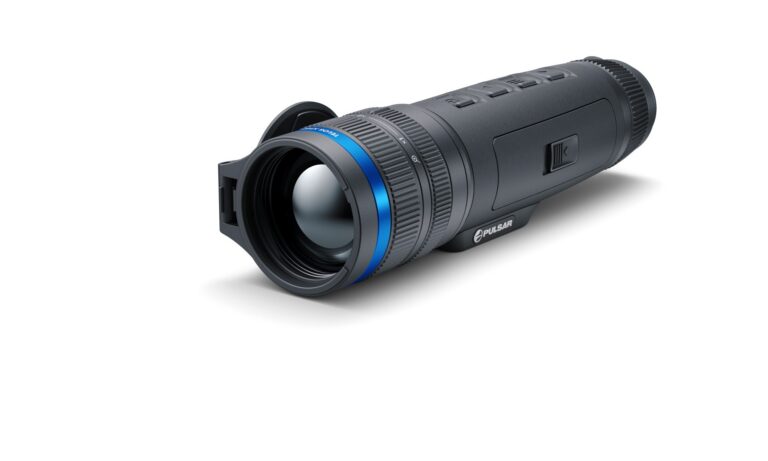
Pulsar Telos XP50 thermal imaging camera
 Sale
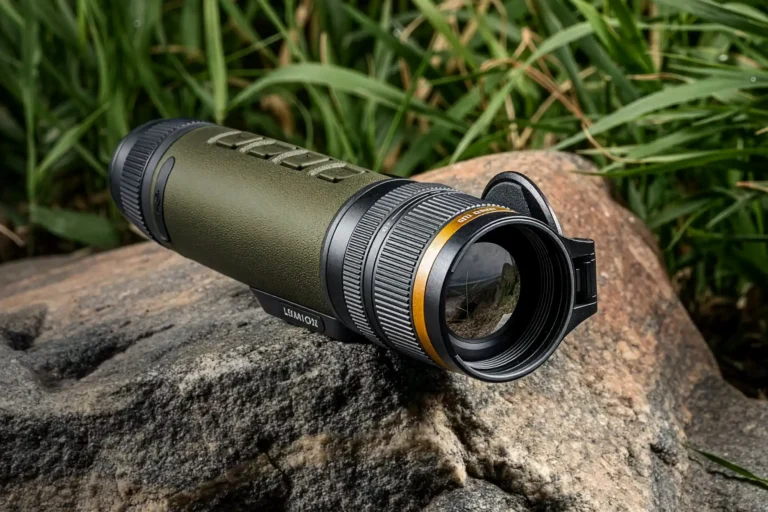
Pulsar Lumion XL50 thermal imaging camera
 Sale
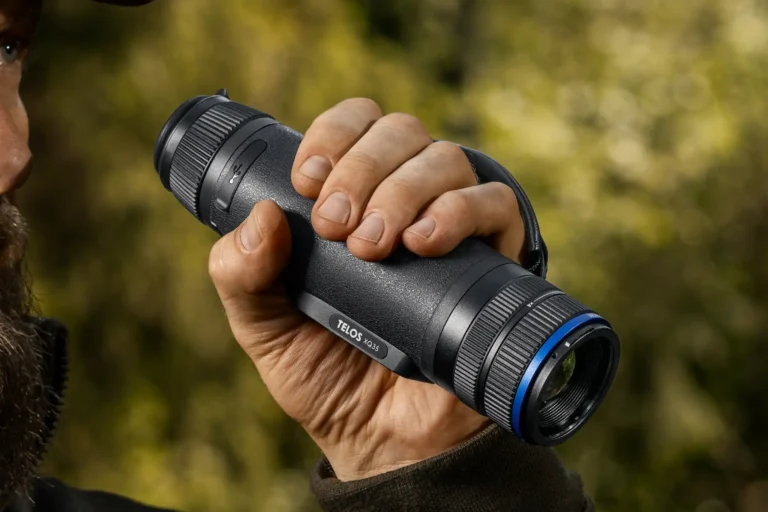
Pulsar Telos XQ35 thermal imaging camera
 Sale